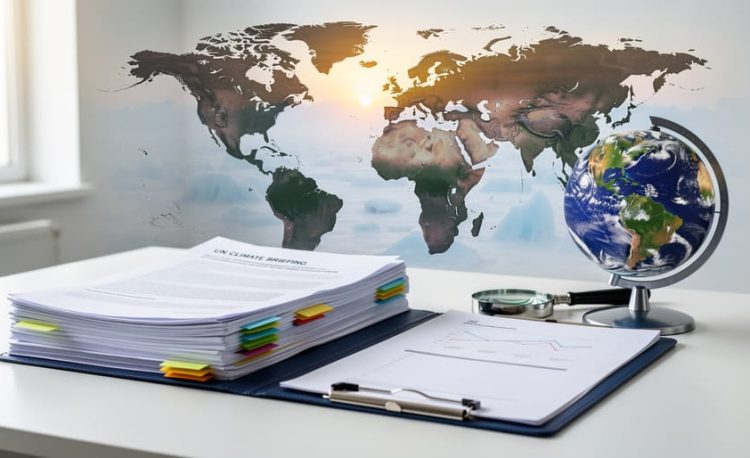
UN climate reports are official documents prepared by scientists from around the world to help us understand how our planet’s climate is changing and what we can do about it. The most important reports come from the Intergovernmental Panel on Climate Change (IPCC), a special group created by the United Nations in 1988 to gather and review climate science without doing its own experiments. Instead, thousands of scientists read through existing research and summarize what we know about rising temperatures, melting ice, changing weather patterns, and how humans are affecting Earth’s climate.
These reports don’t tell governments exactly what to do, but they do explain what’s happening to our planet right now. The latest major report, published in March 2023, warns that global temperatures are rising quickly and may cross 1.5°C above normal levels within the next few years. That might not sound like much, but even small temperature changes affect everything from the food we grow to the animals that share our world.
Why should you care? Because understanding these reports helps you make sense of news about climate change and shows you how small actions in your own life can make a real difference for Earth’s future.
What Is the UN Climate Report?
The UN Climate Report is like a giant report card about Earth’s health, created by a special group of scientists called the IPCC. This stands for Intergovernmental Panel on Climate Change, which sounds fancy but really means “a team that helps countries understand what’s happening to our planet.” The IPCC was started in 1988 by two important groups: the United Nations Environment Programme and the World Meteorological Organization, which is the group that studies weather and climate.
Here’s what makes these reports special: the IPCC scientists don’t do their own experiments or research. Instead, they act like super-readers and organizers, gathering all the climate studies that thousands of scientists around the world have already done. They read through all this information, check that it’s accurate, and put together what we know about how Earth’s climate is changing, why it’s changing, and what might happen next. Think of them as putting together pieces of a huge jigsaw puzzle, where each piece comes from a different scientist studying a different part of our planet.
These reports are really important because they give everyone the same accurate information about our changing planet. They don’t tell countries what to do, but they explain what scientists have discovered so that people everywhere can make good decisions about taking care of Earth.
How Do Scientists Study Our Climate?
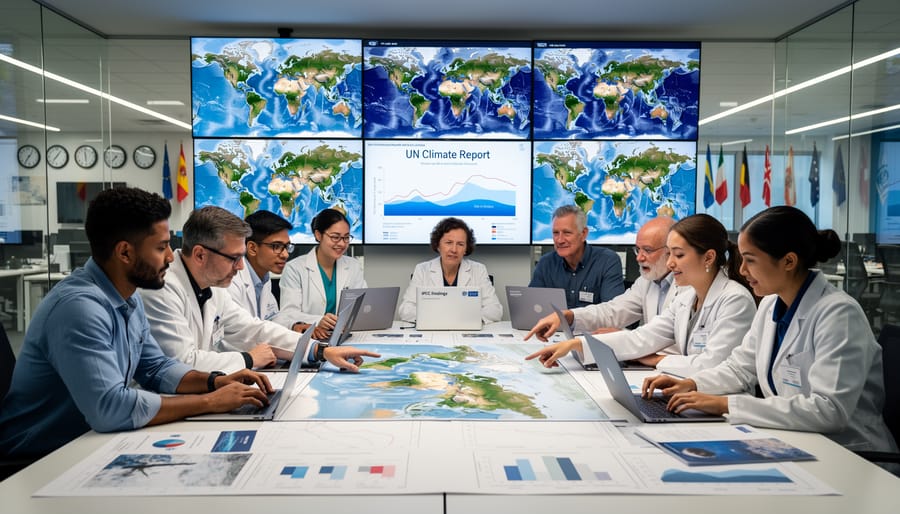
Imagine you’re a detective trying to solve the biggest mystery ever: how is Earth’s climate changing? That’s what climate scientists do every day! They gather clues from all over our planet to understand what’s happening.
Scientists use special tools called thermometers and weather stations to measure temperature and rainfall in thousands of places. Some stations have been recording data for over 100 years, so scientists can compare how things have changed. They also use satellites in space that take pictures and measurements of Earth’s oceans, forests, and ice caps from above.
To study the oceans, researchers use floating robots that dive deep underwater to check the temperature and collect information. They measure how much ice is melting in places like Antarctica and Greenland by using radar and cameras. Scientists even observe animals and plants to see how they’re responding to climate changes, like butterflies appearing earlier in spring or fish moving to cooler waters.
Think of it like putting together a massive jigsaw puzzle. Each piece of data is one tiny part of the picture. When scientists from around the world share their puzzle pieces, they can see the whole image of what’s happening to our planet. That’s exactly what the UN Climate Report does, it puts all these pieces together!
What Are Scientists Telling Us?
Scientists who study Earth’s climate have learned some important things that everyone should know about. The latest UN climate report from 2023 tells us that our planet is getting warmer faster than we hoped. Let’s explore what this means in words that make sense.
When scientists talk about climate change vs global warming they’re describing how Earth is changing. Here are some key words that help us understand what’s happening:
- Climate Change
- Long-term changes in Earth’s weather patterns, temperatures, and seasons that affect the whole planet over many years.
- Global Warming
- The gradual warming of Earth’s air and oceans caused by extra heat getting trapped around our planet.
- Temperature Rise
- How much hotter Earth has become compared to the past, measured in degrees like on a thermometer.
- 1.5°C
- A temperature increase that scientists worry about because it means bigger changes to weather, ice, and oceans.
The AR6 Synthesis Report from March 2023 shows that Earth’s temperature has risen quite a bit. Scientists from the United Nations Environment Programme found that global temperatures are likely to cross 1.5°C warmer within the next few years. Think of it like your body temperature: when it goes up even a little, you feel different. Earth feels different too.
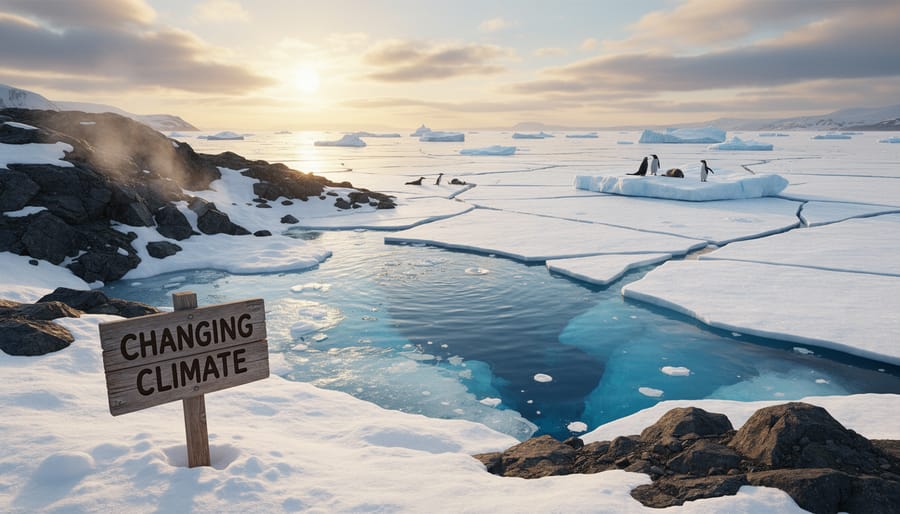
What does this warming mean? Ice at the North and South Poles melts faster. Oceans get warmer and rise higher. Some places get much hotter summers, while other places have bigger storms or less rain. Animals that live in cold places struggle to find homes, and plants might grow in different seasons than before.
Why Should Kids Care About Climate Reports?
You might wonder why grown-ups pay so much attention to these climate reports. Here’s the exciting part: these reports are really about your future! The information scientists gather helps everyone understand what’s happening to our amazing planet right now and what we can do to keep it healthy for you and your children someday.
Climate changes affect the things you love most. When temperatures get warmer, some animals have to find new homes. Polar bears need Arctic ice, coral reefs need cooler oceans, and butterflies need the right flowers at the right times. The weather patterns changing means some places might get more rain while others get less, affecting where plants can grow and where your favorite fruits come from.
These reports also help adults make better choices about protecting special places you enjoy visiting, like beaches, forests, and mountains. Learning how the UN helps countries work together shows how people everywhere are trying to solve problems as a team.
The best part? When you understand what’s happening to Earth’s climate, you become part of the solution. You can make smart choices, ask good questions, and help your family and friends learn too. Knowledge is your superpower for protecting our planet!
What Can You Do?
You don’t have to wait until you’re grown up to make a difference. Every small action counts, and learning about climate helps you become a climate champion right now.
Here are fun ways to get started:
- Plant a tree or help care for plants in your garden or school. Trees are like Earth’s air cleaners, absorbing carbon dioxide and giving us oxygen to breathe.
- Try recycling activities at home and school. Sort paper, plastic, and cans properly, and see how much waste you can keep out of landfills each week.
- Become a weather detective by tracking temperatures, clouds, and rainfall in your area. Keep a simple weather journal and notice patterns over time.
- Share what you’ve learned with friends and family. Teach someone about climate change using pictures, drawings, or a short presentation.
Start a climate club at school where you can explore these ideas together. You might create posters about saving energy, organize nature walks to observe local plants and animals, or challenge classmates to bring waste-free lunches.
Reading books about Earth, watching nature documentaries, and asking questions about how things work all help you understand our planet better. The more you know, the more you can help. What excites you most about taking care of Earth?
Understanding climate reports helps us become better caretakers of our amazing planet. When scientists share what they’ve learned about Earth’s changing climate, they’re giving us important clues about how to protect the places and animals we love. Every time you learn something new about our planet, you’re becoming part of the solution. You don’t need to know everything about climate science to make a difference. Start small, stay curious, and remember that caring for Earth is something we all do together. Your questions matter, your actions count, and your generation will help write the next chapter of Earth’s story.
What surprised you most about what climate scientists have discovered about our changing planet?