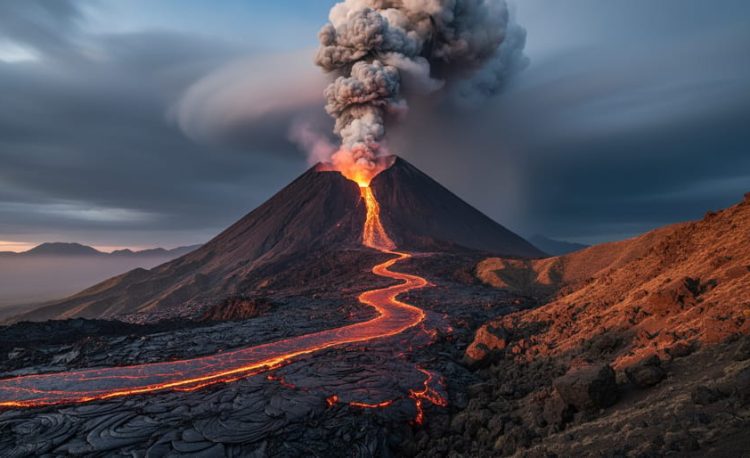
“A low-angle view of a smoking volcano with glowing lava at its base and ash drifting into the sky over a rocky landscape.”

10 Interesting Facts About Volcanoes for Students Who Love Earth Science

Volcanoes are some of the most powerful forces shaping Earth’s geography and they’re filled with surprises that go way beyond just erupting lava! From volcanoes tall enough to dwarf Mount Everest to ones that actually help grow your favorite foods, these incredible natural features are working all over our planet right now. Whether you’re working on a school project or just love learning about how Earth works, you’ll discover that volcanoes can build entire islands, make sounds heard thousands of miles away, and even exist on other planets. Ready to explore ten amazing volcano facts that might just surprise you?
…
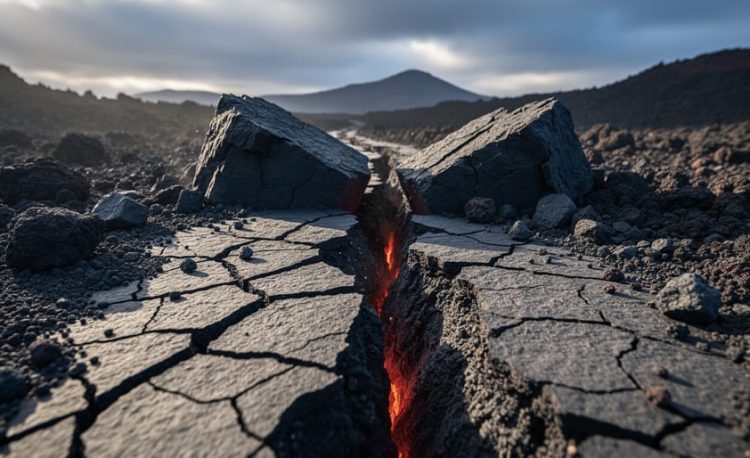
Ground-level view of an active Earth transform fault with offset rock blocks and a narrow hot fissure across rugged volcanic terrain under dramatic daylight.

What Is a Transform Boundary Volcano (and How Does It Work)?

A volcano formed by an active transform boundary is a rare type of volcano that grows where two tectonic plates slide sideways past each other, creating unusual conditions for magma to reach the surface. Unlike the volcanoes that line the famous Ring of Fire, these special volcanic features don’t form in the typical way most people imagine.
Here’s something cool: transform boundaries are better known for causing earthquakes than building volcanoes! When giant slabs of Earth’s crust grind past one another, they usually just shake and crack the ground. But sometimes, the pulling and stretching motion creates small gaps or weak spots …

A child holds a clear bowl of jelly that wobbles as if the ground beneath it is vibrating.

What Is Seismic Activity? (And How Does It Work)

Seismic activity is the shaking and movement of Earth’s surface caused by energy released from inside our planet. Think of it like when you drop a pebble in a pond and waves ripple outward. Instead of water, seismic activity creates waves that travel through rock and soil, making the ground shake. Sometimes these shakes are so tiny you can’t feel them, and other times they’re powerful earthquakes that can move buildings and change the landscape.
Understanding seismic activity helps us stay safe and explains some pretty amazing fun Earth facts about our living, breathing planet. Right now in 2026, scientists across Canada are using special tools to …

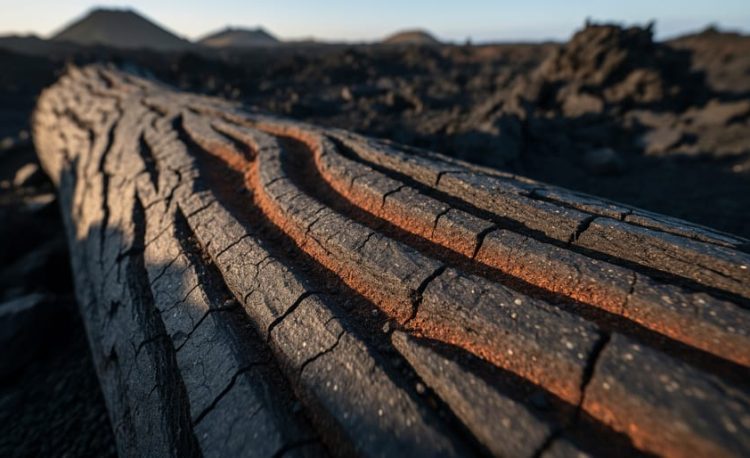
Close-up of a hollow tree-trunk mold preserved in hardened basalt lava rock, showing detailed bark texture.

What Are Lava Fossils (and How Do Volcanoes Create Them)?

Lava fossils are imprints or molds left behind when molten lava flows over living things like trees, animals, or plants, preserving their shape in solid rock. Unlike regular fossils that form slowly over millions of years, lava fossils happen fast, capturing a moment in time when volcanic eruptions suddenly buried ancient life.
Have you ever made a handprint in wet sand or clay? Lava fossils work a bit like that, except the lava is incredibly hot and the “mold” it creates is permanent. When lava cools and hardens around an object, it can trap the exact shape and texture, creating a natural sculpture in stone.
These unusual fossils give scientists clues about what plants and animals lived near ancient volcanoes, …

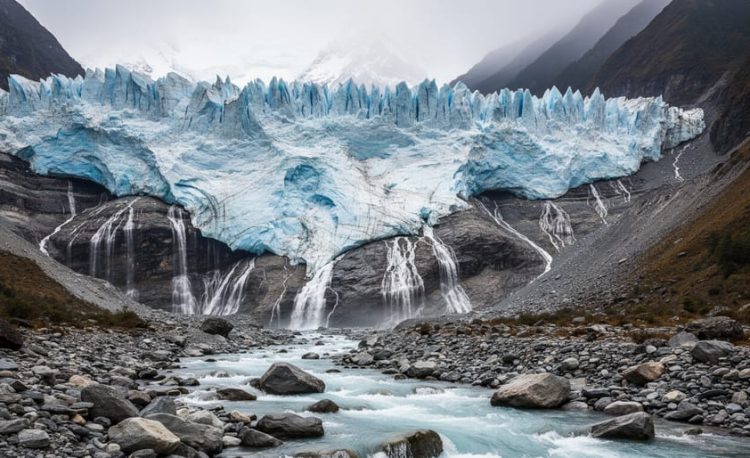
Meltwater streams flowing from a Himalayan glacier into a rocky river valley, illustrating glacier melting and flood risk.

UN Climate Change Announcement News Update: What Changed and What to Watch in 2026

On August 31, 2026, the UN Climate Chief issued a written statement about glacial collapse and flooding in the Himalayan region, bringing fresh attention to how quickly our planet’s ice is disappearing and what that means for people living nearby. This announcement is one of many ways the United Nations talks to the world about climate change, a big problem where Earth is getting warmer because of pollution and gases humans put into the air.
Think of the UN like a huge group of countries working together to solve world problems. When glaciers (giant rivers of ice high up in mountains) start melting too fast, it can cause floods that wash away homes, farms, and roads. The UN wants everyone to know what’s happening so we…

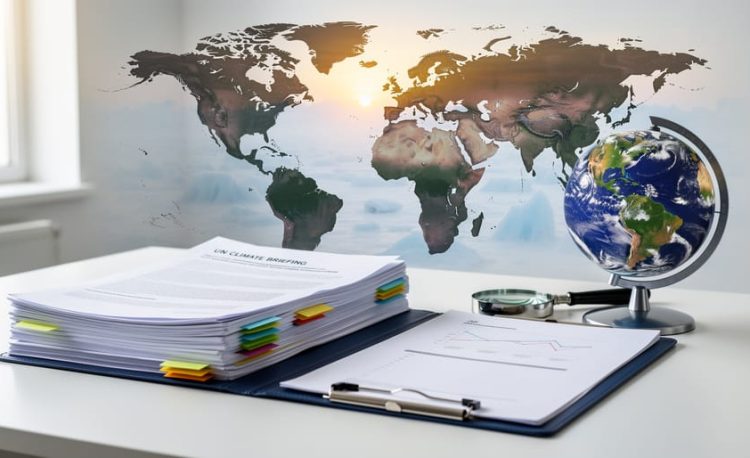
Climate briefing folders and a globe on a desk, photographed in soft light to suggest UN climate reporting and Earth’s changing climate.

What the UN Climate Report Tells Us About Our Changing Planet

UN climate reports are official documents prepared by scientists from around the world to help us understand how our planet’s climate is changing and what we can do about it. The most important reports come from the Intergovernmental Panel on Climate Change (IPCC), a special group created by the United Nations in 1988 to gather and review climate science without doing its own experiments. Instead, thousands of scientists read through existing research and summarize what we know about rising temperatures, melting ice, changing weather patterns, and how humans are affecting Earth’s climate.
These reports don’t tell governments exactly what to do, but they do explain what’s happening to our planet right now. …

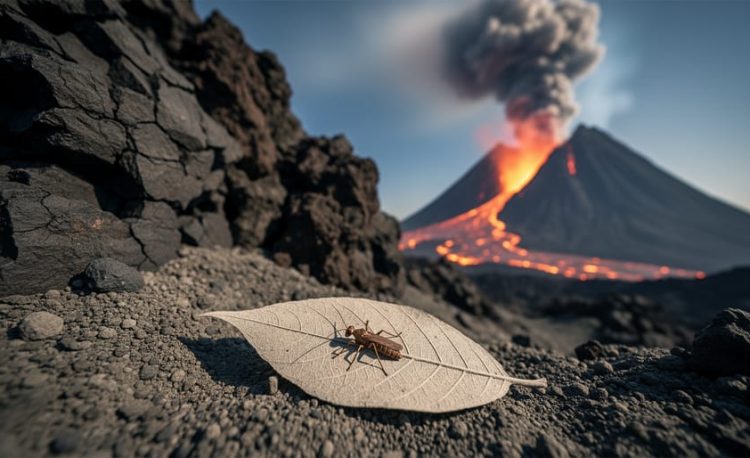
A fossilized leaf and insect preserved in volcanic ash near basalt rocks, with a distant erupting volcano plume in the background.

3 Volcano Facts About How Volcanoes Help Create Fossils

Volcanoes create fossils in three surprising ways: by burying ancient life in ash, forming volcanic rock molds of plants and animals, and building new rock layers that help scientists figure out how old fossils really are. These fiery mountains might seem like destroyers, but they’re actually some of nature’s best fossil-makers! When a volcano erupts, it can freeze moments in time, protect delicate traces of life, and give us clues about creatures that lived millions of years ago.
Have you ever wondered how a fiery explosion could help preserve something as fragile as a leaf or an insect? The secret is in how quickly volcanic materials work. Think of it like making…

Delegates gathered in a conference room around a globe model, representing global teamwork to address climate change under changing storm-to-sunlight skies.

How the United Nations Fights Climate Change Around the World

The United Nations tackles climate change by bringing countries together to make agreements, track their progress, and share money and knowledge to protect our planet. Think of the UN as the world’s teamwork coach for climate action. Countries meet regularly at big conferences, report what they’re doing to reduce pollution, and help each other solve problems like rising temperatures and wild weather.
So how does this global teamwork actually happen? The UN runs annual climate conferences where leaders from nearly every country gather to make plans. In 2026, one of these important meetings will take place in Antalya, Turkey, where nations will share their climate stories and commitments. Countries like Canada show up …

Panoramic landscape showing rugged mountains, a winding river valley, and an ocean coastline under a cloudy sky.

Physical Geography Features That Shape Our Amazing Planet

Physical geographical features are the natural landforms and bodies of water shaped by Earth’s forces over millions of years, including mountains, rivers, valleys, oceans, and deserts. These features form the incredible landscape around us and influence everything from weather patterns to where people build their homes.
Have you ever wondered why some parts of the world have towering mountains while others are flat as a pancake? Or why certain rivers wind like snakes while mountains rise straight up? Understanding physical geography helps answer these questions and reveals the amazing story of how our planet works.
Every time you climb a hill, splash in a stream, or build a sandcastle at the beach, you’re …

A protective-equipped adult guides a child to stay back inside a smoke-damaged home, with soot-stained items visible in the background.

7 Fire Safety Steps for Kids and Families After a House Fire

After a house fire, your family’s safety depends on waiting for official clearance before re-entering, wearing protective gear to avoid ash and toxins, and documenting damage carefully. Many families also consider whether to sell fire damaged house fast rather than face months of repairs, but first you need to secure the scene and protect everyone’s health.
Fire damage creates hidden dangers that can hurt you days or even weeks after the flames go out. Smoke leaves toxic particles on walls and furniture. Weakened floors might collapse. Electrical wires could spark without warning.
Here’s what makes this tricky: the damage you can see…