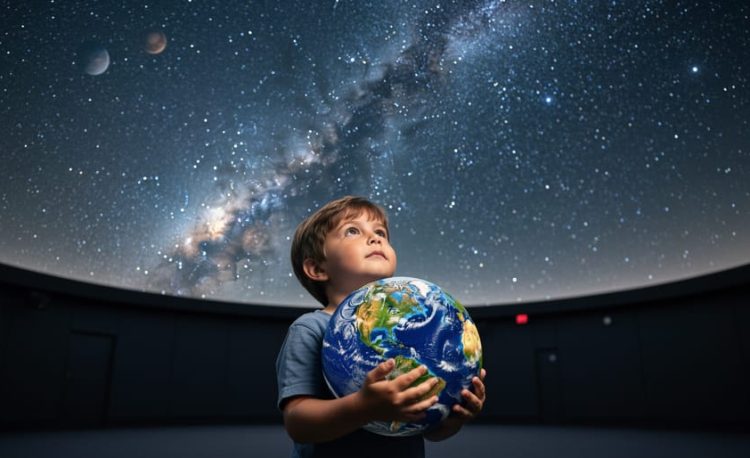
Yes, Earth is in space! Space is the huge, mostly empty area that stretches out in every direction beyond our planet, and Earth is floating right inside…
Geography resource for kids
Geography resource for kids
Yes, Earth is in space! Space is the huge, mostly empty area that stretches out in every direction beyond our planet, and Earth is floating right inside…
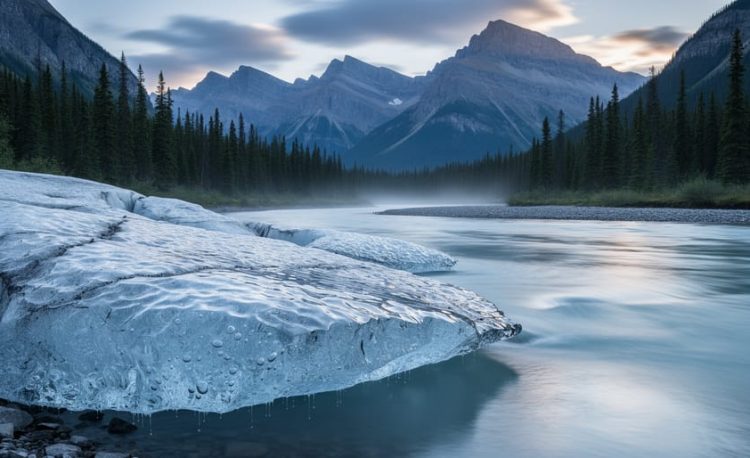
Climate change is the long-term shift in Earth’s usual weather patterns, mostly caused by people adding extra heat-trapping gases to the air.
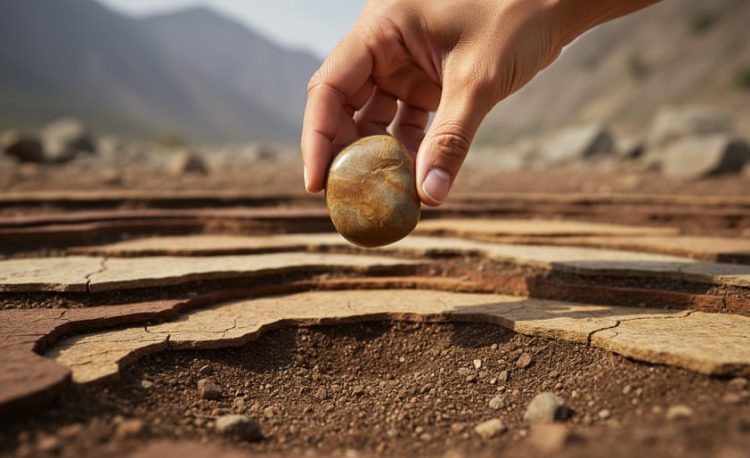
The Earth’s crust is the thin, rocky outer layer of our planet, and it’s full of surprises.
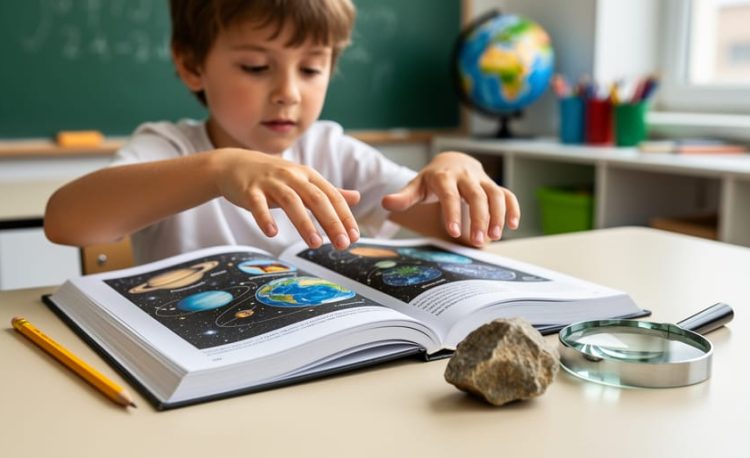
Earth and Space Science Reference Tables are collections of charts, diagrams, and data sheets that help students quickly find important information about rocks, minerals, weather patterns, planets, and Earth’s processes. Think of them as a science toolkit you can flip through whenever you need to identify a mystery rock, figure out which way the wind is blowing, or compare the sizes of different planets. These tables put tons of useful facts right at your fingertips, so you don’t have to memorize every single detail about Earth science.
Why do scientists and students use these tables? Because science is full of patterns and measurements that are easier to look up than to remember. When you’re examining a rock …
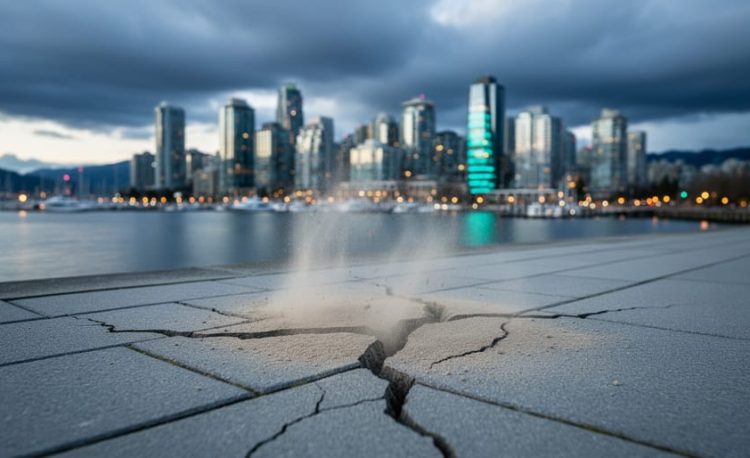
Seismic activity means shaking and movement in the ground caused by forces deep inside Earth, and Vancouver experiences this because it sits right next to a massive meeting point of huge pieces of Earth’s crust called tectonic plates. If you’ve felt the floor rumble under your feet or heard about a recent earthquake in the news, you’re probably wondering why Vancouver shakes, whether it’s dangerous, and what’s actually happening beneath your city.
Vancouver rests in one of Canada’s most earthquake-prone zones. The ground here shakes for several fascinating reasons: the Juan de Fuca Plate is slowly sliding beneath North America, smaller fault lines run right under the city, and deep underground …
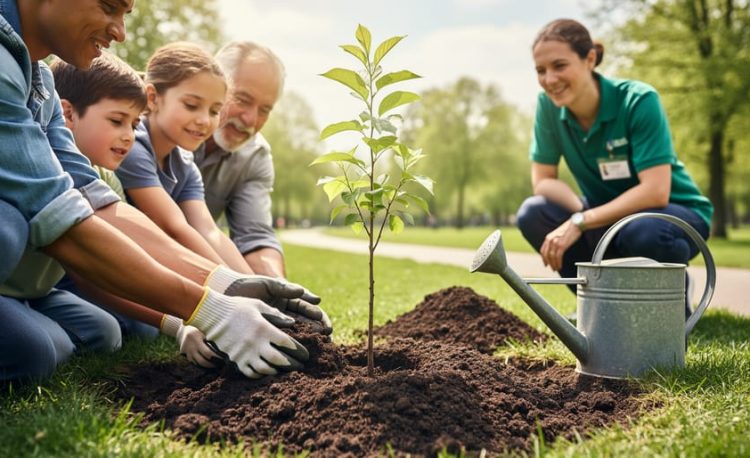
Earth Day is the planet’s birthday party, and you’re invited! Every year on April 22nd, over 1 billion people around the world celebrate our amazing home by planting trees, cleaning up parks, and learning how to protect nature. What started in 1970 with just one country has grown into the biggest environmental celebration on Earth, bringing together kids, families, and communities in nearly every nation.
Why do we need a special day for our planet? Because Earth Day reminds us that small actions add up to big changes. When the first Earth Day happened in 1970, rivers were so polluted that some actually caught on fire! Today, thanks to Earth Day and the laws it …
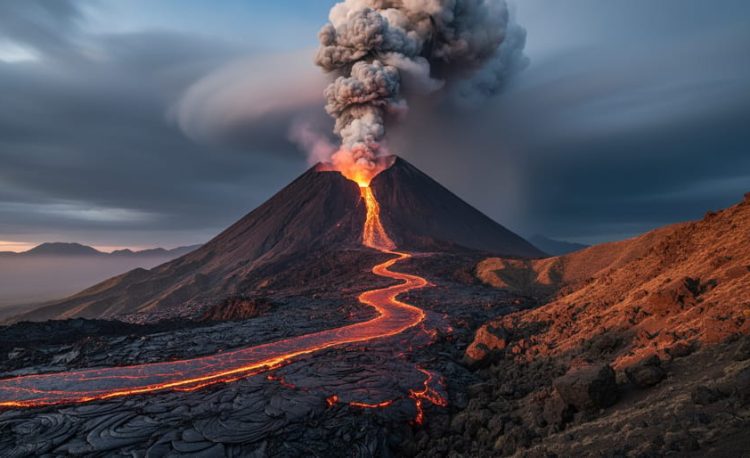
Volcanoes are some of the most powerful forces shaping Earth’s geography and they’re filled with surprises that go way beyond just erupting lava! From volcanoes tall enough to dwarf Mount Everest to ones that actually help grow your favorite foods, these incredible natural features are working all over our planet right now. Whether you’re working on a school project or just love learning about how Earth works, you’ll discover that volcanoes can build entire islands, make sounds heard thousands of miles away, and even exist on other planets. Ready to explore ten amazing volcano facts that might just surprise you?
…
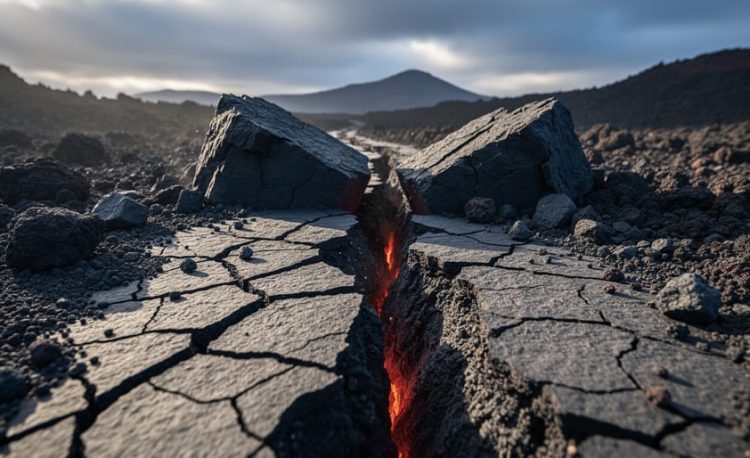
A volcano formed by an active transform boundary is a rare type of volcano that grows where two tectonic plates slide sideways past each other, creating unusual conditions for magma to reach the surface. Unlike the volcanoes that line the famous Ring of Fire, these special volcanic features don’t form in the typical way most people imagine.
Here’s something cool: transform boundaries are better known for causing earthquakes than building volcanoes! When giant slabs of Earth’s crust grind past one another, they usually just shake and crack the ground. But sometimes, the pulling and stretching motion creates small gaps or weak spots …
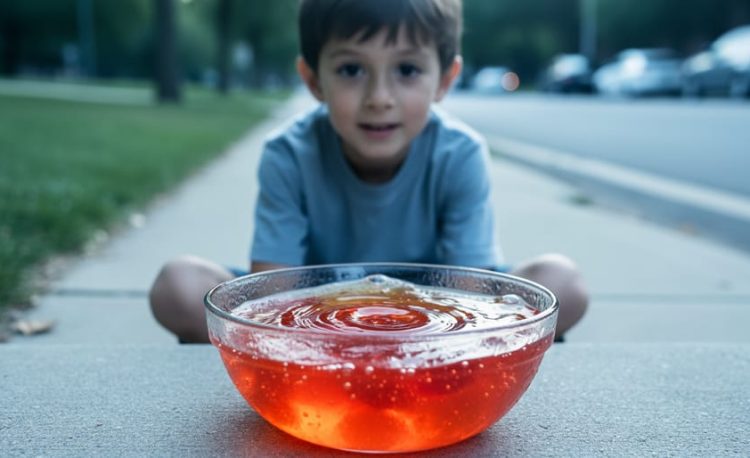
Seismic activity is the shaking and movement of Earth’s surface caused by energy released from inside our planet. Think of it like when you drop a pebble in a pond and waves ripple outward. Instead of water, seismic activity creates waves that travel through rock and soil, making the ground shake. Sometimes these shakes are so tiny you can’t feel them, and other times they’re powerful earthquakes that can move buildings and change the landscape.
Understanding seismic activity helps us stay safe and explains some pretty amazing fun Earth facts about our living, breathing planet. Right now in 2026, scientists across Canada are using special tools to …
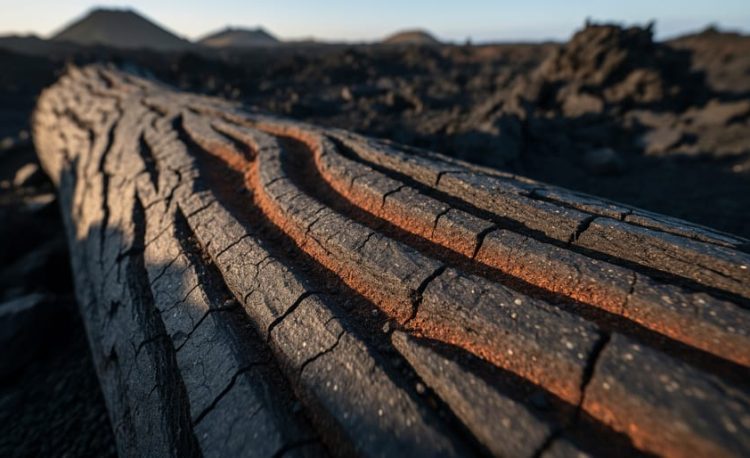
Lava fossils are imprints or molds left behind when molten lava flows over living things like trees, animals, or plants, preserving their shape in solid rock. Unlike regular fossils that form slowly over millions of years, lava fossils happen fast, capturing a moment in time when volcanic eruptions suddenly buried ancient life.
Have you ever made a handprint in wet sand or clay? Lava fossils work a bit like that, except the lava is incredibly hot and the “mold” it creates is permanent. When lava cools and hardens around an object, it can trap the exact shape and texture, creating a natural sculpture in stone.
These unusual fossils give scientists clues about what plants and animals lived near ancient volcanoes, …