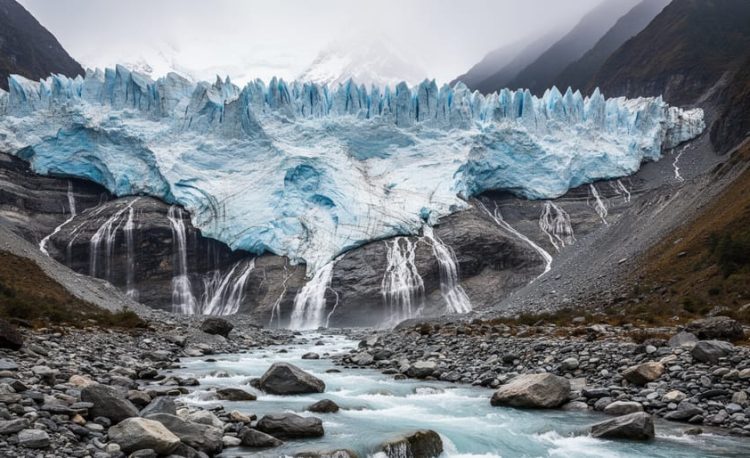
On August 31, 2026, the UN Climate Chief issued a written statement about glacial collapse and flooding in the Himalayan region, bringing fresh attention to how quickly our planet’s ice is disappearing and what that means for people living nearby. This announcement is one of many ways the United Nations talks to the world about climate change, a big problem where Earth is getting warmer because of pollution and gases humans put into the air.
Think of the UN like a huge group of countries working together to solve world problems. When glaciers (giant rivers of ice high up in mountains) start melting too fast, it can cause floods that wash away homes, farms, and roads. The UN wants everyone to know what’s happening so we can help fix it.
Beyond this Himalayan alert, the UN regularly shares reports, speeches, and video messages from leaders around the world explaining how climate change is affecting billions of people. One major report warns that nature is changing in dangerous ways and we need to act quickly to protect our planet. These announcements aren’t just for grown-ups in offices. They’re messages for all of us, including kids like you, because the choices we make today will shape the world you grow up in.
What Changed: The UN’s Latest Climate Message
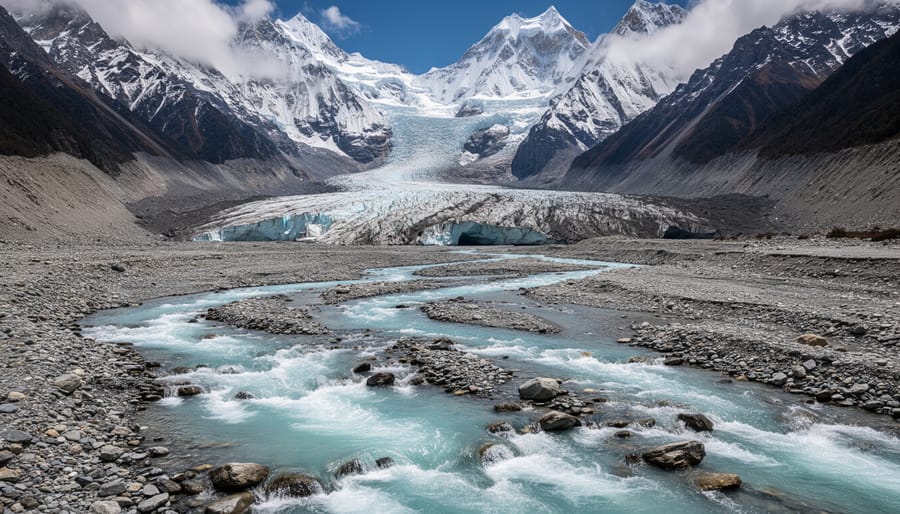
On August 31, 2026, the UN Climate Chief statement brought urgent news about something happening in the Himalayan mountains. The announcement warned about glacial collapse and dangerous flooding in this high mountain region. But what does that really mean?
Glaciers are like giant rivers of ice that move very slowly down mountains. They’ve been frozen for thousands of years and hold enormous amounts of water. Think of them as nature’s freezers, storing frozen water high up in the mountains. The Himalayan glaciers are especially important because they provide fresh water to billions of people living downstream in countries like India, China, and Pakistan.
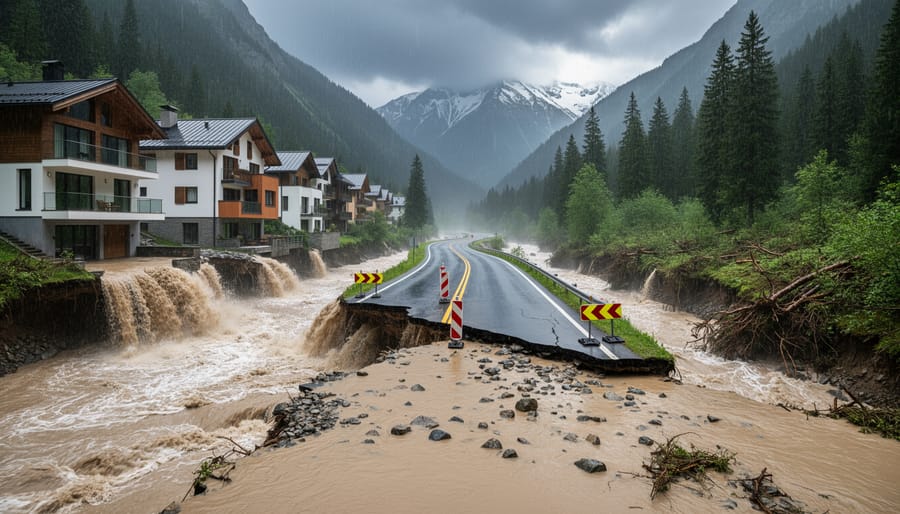
When these glaciers collapse or melt too quickly, all that frozen water rushes down the mountains at once. This creates floods that can destroy homes, farms, and entire villages. The UN’s message highlighted how climate change is warming our planet and making these glaciers melt faster than they should. This matters because glaciers affect water security for communities who depend on them for drinking water and farming throughout the year.
Key Developments: What the UN Is Telling the World
1. Warning About Nature’s Dangerous Disruption
The United Nations released an important Impacts, Adaptation and Vulnerability report that explains how climate change is making nature act in unusual and sometimes dangerous ways. Think of nature like a big, complicated machine where everything has to work together smoothly. When Earth’s temperature gets warmer, it’s like someone is changing the settings on that machine without asking permission first.
The UN climate report shows several ways that nature is being disrupted:
- Hurricanes, floods, and droughts are becoming stronger and happening more often
- Spring arrives earlier in some places and later in others, confusing plants and animals
- Birds are migrating at different times because their internal clocks don’t match the weather anymore
- Coral reefs are turning white and dying because ocean water is getting too warm
- Some animals are moving to new areas to find cooler temperatures, which creates problems for the animals already living there
Scientists describe these changes as dangerous because they happen faster than plants and animals can adapt. A polar bear can’t just decide to handle hot weather overnight. Trees can’t pack up and move to cooler places. When nature gets disrupted this quickly, many living things struggle to survive, which affects the entire web of life on Earth, including people.
2. Affecting Billions of People Around the World
When the UN says climate change is affecting billions of people, they mean almost everyone on Earth feels the effects in some way. The report warns of billions affected across every continent, from bustling cities to quiet countryside villages.
Climate change touches communities differently depending on where they live. In some places, people face stronger storms that damage homes and schools. In other regions, droughts make it harder to grow food or find clean drinking water. Coastal areas worry about rising sea levels, while mountain communities see changes in snowfall and water supply.
Food is one of the biggest concerns. When weather patterns shift, farmers struggle to grow crops the same way they always have. Some areas get too much rain, flooding fields, while others do not get enough, drying out the soil. This affects what shows up in grocery stores and what families can afford to buy.
Water is another critical issue. Climate change alters rainfall, meaning some places face floods while others experience water shortages. Rivers and lakes that communities depend on for drinking water, washing, and watering crops can run low or disappear completely during dry periods.
Even homes are at risk. Extreme weather like hurricanes, wildfires, and heatwaves force families to leave their houses or rebuild after disasters. The UN’s message is clear: climate change is not something happening far away to other people. It affects real communities, real families, and real children right now, which is why the world needs to pay attention and work together.
3. The Urgency to Act Now
When UN leaders say we need to act “urgently,” they mean right now, not next year, not when we’re older, but today. Urgency means something is so important that we can’t wait to deal with it. Think of it like seeing smoke in a building. You wouldn’t wait to sound the alarm, would you?
Climate scientists have discovered that the longer we wait to help Earth, the harder the problems become to fix. It’s like leaving a small mess in your room. If you clean it up straight away, it takes five minutes. But if you leave it for weeks, it becomes a much bigger job. Climate change works the same way.
The UN Climate Chief’s statement about the Himalayan glaciers shows us why waiting is dangerous. Those glaciers didn’t melt overnight, they’ve been warming for years while people delayed taking action. Now the flooding is affecting millions of people who live nearby, and it’s much harder to help them than if we’d protected the glaciers earlier.
But here’s the hopeful part: when we act urgently, we can still make a real difference. Every action counts. Countries around the world are listening to these UN messages and creating new plans to protect our planet. Schools are teaching students about climate solutions. Families are making Earth-friendly choices. Even small steps taken quickly add up to big changes when millions of people join in.
Why It Matters: Understanding the UN’s Climate Role
The United Nations is like a meeting place where countries from around the world come together to solve big problems that affect everyone. When it comes to climate change, no single country can fix it alone because weather, oceans, and air don’t stop at borders. That’s where the UN climate role becomes so important, it helps countries share information, make plans together, and agree on ways to protect our planet.
Countries listen to UN climate announcements because they’re based on research from thousands of scientists who study what’s happening to our planet. When UN leaders say something is urgent, like the melting glaciers in the Himalayas, it signals to governments that they need to act quickly. These statements often lead to countries changing their laws, investing in cleaner energy, and finding ways to help communities affected by climate change.
The UN’s climate messages matter because they turn scientific information into action. After a major announcement, countries meet to discuss solutions, share ideas about renewable energy, and create plans to reduce pollution. This teamwork helps ensure that future generations, including you, will have clean air to breathe, safe water to drink, and a healthy planet to explore.
What to Watch: What Happens Next
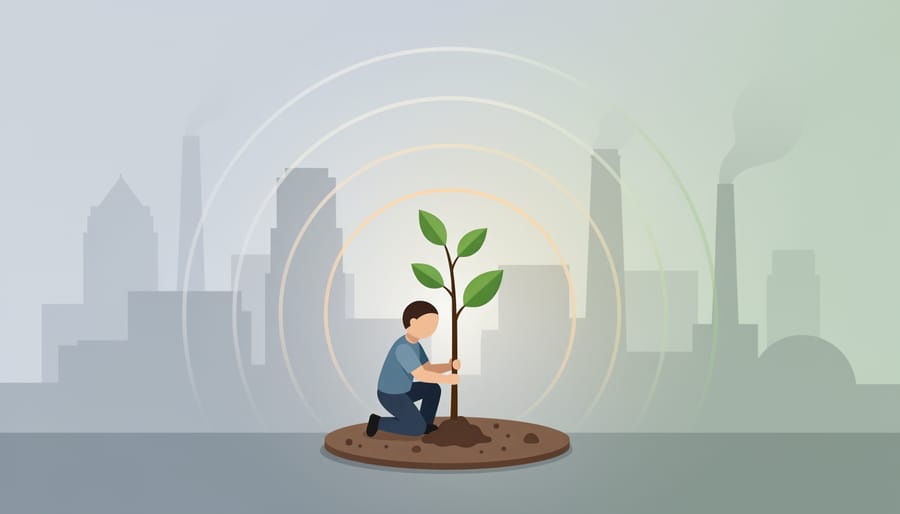
After major UN climate announcements like the August 2026 warning about Himalayan glacial collapse, world leaders spring into action. Countries gather at climate meetings to discuss solutions and make promises to reduce pollution and protect nature. Scientists continue studying the problems, and news reporters share updates so everyone stays informed.
You can be part of watching what happens next. Ask your teacher if your class can follow climate news together. Many schools create bulletin boards tracking positive changes, like new solar panels in communities or countries planting forests. At home, watch for stories about countries working together to solve climate problems.
Small actions matter too. Your family might choose to walk more, recycle better, or save energy. When you learn about climate change and share what you know with friends, you help build a world where people care about Earth. Every time someone learns something new about protecting our planet, that’s progress worth celebrating.
The UN will keep speaking up about climate change because protecting Earth requires everyone working together. By staying curious and taking small steps, you become part of the solution.
Questions About UN Climate Announcements
What does the UN do about climate change?
The United Nations brings countries together to share information about climate change and make plans to protect our planet. UN scientists and leaders study what’s happening to Earth’s climate, then tell the world what they discover so countries can work together on solutions.
Why do we hear about climate change so much?
We hear about climate change often because it’s affecting our world right now and scientists want everyone to understand what’s happening. Understanding the difference between climate vs warming helps us talk about these changes more clearly and know what actions can help.
Can kids help with climate change?
Yes! Kids can help by learning about Earth, saving energy at home, recycling, and sharing what they learn with friends and family. Small actions like turning off lights, walking instead of driving short distances, and planting trees all make a difference when many people do them together.
These questions help families understand that UN climate announcements aren’t just for grown-ups or scientists. When the UN Climate Chief makes statements about events like the Himalayan glacial collapse, it starts conversations in homes and classrooms everywhere. Paying attention to these announcements helps us all stay informed about our changing planet and reminds us that everyone has a role in taking care of Earth.