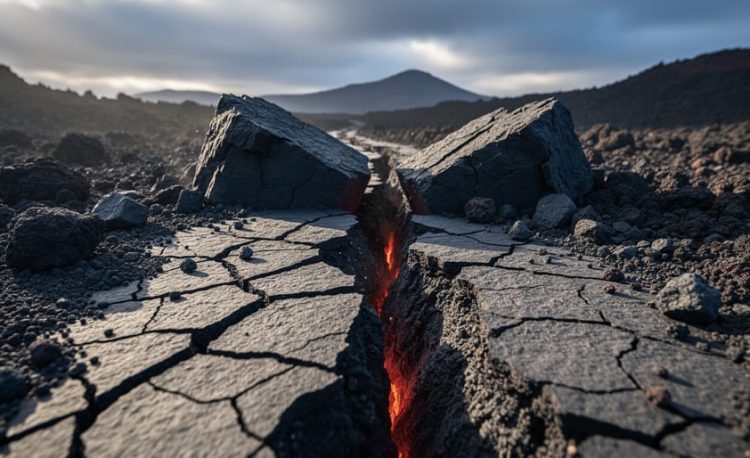
A volcano formed by an active transform boundary is a rare type of volcano that grows where two tectonic plates slide sideways past each other, creating unusual conditions for magma to reach the surface. Unlike the volcanoes that line the famous Ring of Fire, these special volcanic features don’t form in the typical way most people imagine.
Here’s something cool: transform boundaries are better known for causing earthquakes than building volcanoes! When giant slabs of Earth’s crust grind past one another, they usually just shake and crack the ground. But sometimes, the pulling and stretching motion creates small gaps or weak spots where hot molten rock can sneak through from deep underground.
You might be wondering, where can we actually find these unusual volcanoes? They’re pretty rare compared to their cousins at other plate boundaries. Understanding how they work teaches us important lessons about physical geography and shows us that Earth’s surface is more active and surprising than we might think.
In this article, we’ll explore exactly how these transform boundary volcanoes form, discover what makes them different from other types of volcanoes, and visit some real examples around our planet. Get ready to see how plates slipping sideways can still create fiery mountains!
What Is a Transform Boundary?
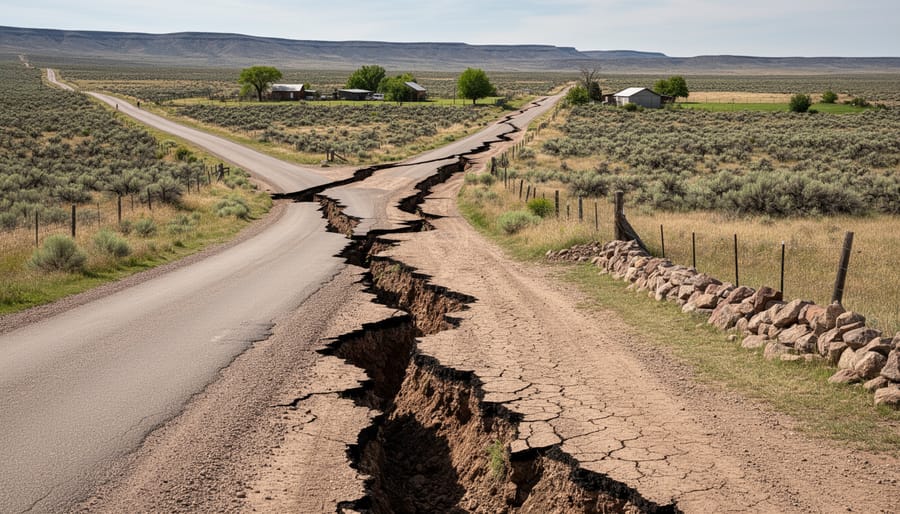
Imagine Earth’s outer shell broken into giant pieces, like a cracked eggshell. These pieces are called tectonic plates, and they’re always moving, very, very slowly. Most of the time, plates either crash together or pull apart. But at a transform boundary, something different happens: the plates slide sideways past each other, grinding and scraping like two hands rubbing together in opposite directions.
Think about pushing two books across a table in opposite directions while their edges touch. That’s exactly what happens at a transform boundary! The plates don’t move smoothly, though. They get stuck because of friction, then suddenly jerk forward, which is what causes earthquakes.
Let’s look at some important words that help us understand transform boundaries:
- Transform Boundary
- A place where two tectonic plates slide horizontally past each other in opposite directions, like cars passing on a street.
- Tectonic Plates
- Massive slabs of rock that make up Earth’s outer layer and float on the hot, soft rock underneath.
- Fault Line
- The crack or break in Earth’s crust where two plates meet and move against each other.
- Friction
- The force that happens when two surfaces rub together, making them stick and resist movement.
The most famous transform boundary in the world is California’s San Andreas Fault, where the Pacific Plate slides past the North American Plate. Every year, these plates move about as fast as your fingernails grow, just two inches! That might not sound like much, but over millions of years, this movement completely reshapes the land.
How Transform Boundary Volcanoes Work
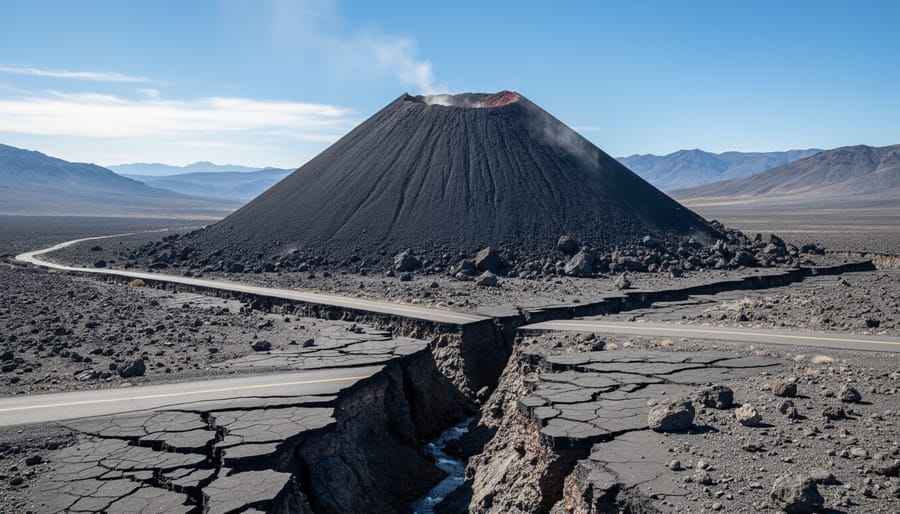
Imagine two giant plates of Earth’s crust sliding past each other, grinding and scraping like two rough boards. Most of the time, this sideways movement doesn’t create volcanoes. But sometimes, something special happens!
When plates slide past each other at a transform boundary, they don’t always move smoothly. They can get stuck, twist, and create weak spots in Earth’s crust. Think of it like cracking a hard cookie, when you press on it just right, little breaks appear.
Here’s how the volcanic magic works:
First, the grinding and pulling of the plates creates tiny cracks and openings in the rock below. These cracks can reach deep into Earth where everything is super hot. As the plates continue their sideways dance, some of these cracks grow bigger.
Next, the hot melted rock called magma, which sits deep underground, finds these cracks like water finding holes in a dam. The magma is under enormous pressure, always looking for a way up. When it discovers one of these special cracks, it starts pushing its way toward the surface.
Finally, if the crack is big enough and reaches all the way up, the magma can burst through as lava, creating a volcano!
But here’s the important part: this doesn’t happen very often. Can you guess why? Transform boundaries are mostly about sideways movement, not the pulling apart or pushing together that usually makes volcanoes. The cracks need to form in just the right spot, at just the right angle. It’s like trying to squeeze toothpaste out by sliding the tube sideways instead of squeezing it, possible, but really tricky!
That’s what makes transform boundary volcanoes so rare and special. They’re Earth’s surprise volcanoes!
Different Types of Plate Boundary Volcanoes
Earth’s plates meet in three main ways, and each one creates different volcanic behavior. Understanding these helps us see why transform boundary volcanoes are so unusual.
At divergent boundariesplates pull apart like two friends walking in opposite directions. When this happens under the ocean, magma rushes up to fill the gap, creating long chains of underwater volcanoes. Iceland sits right on top of one of these spreading zones, which is why it has so many active volcanoes. Think of it like pulling apart a sandwich and seeing the filling ooze out.
Convergent boundaries are where plates crash together. When one plate slides beneath another, it melts deep underground, and that melted rock rises up to create powerful volcanoes. This is how the famous “Ring of Fire” around the Pacific Ocean formed, with dramatic volcanoes like Mount Fuji in Japan and Mount St. Helens in Washington. These boundaries are volcano-making machines.
Then we have transform boundarieswhere plates slide sideways past each other. Here’s the surprise: these boundaries rarely make volcanoes at all! Why? Because the plates aren’t pulling apart to let magma up, and they aren’t pushing together to melt rock. They’re just grinding past each other like two cars scraping in a parking lot.
When transform boundaries do create volcanic activity, it’s usually because the sliding creates small cracks or weak spots where magma can sneak through. That’s what makes transform boundary volcanoes so special and rare. While divergent and convergent boundaries are busy making hundreds of volcanoes, transform boundaries might only create a few volcanic features in very specific spots.
Where Can You Find These Special Volcanoes?
Finding a volcano formed by a transform boundary is like searching for a unicorn, they’re super rare! Most transform boundaries are famous for earthquakes, not volcanoes. But there are a few special spots where volcanic activity does happen.
The most famous transform boundary is the San Andreas Fault in California. You might have heard of it because it causes earthquakes, especially near cities like San Francisco and Los Angeles. Even though plates are sliding past each other there, you won’t find big volcanic mountains popping up. The movement creates cracks and breaks in the ground, but it rarely lets magma reach the surface. However, some small volcanic features have formed in special spots where the fault bends or pulls apart slightly.
Here are some transform boundaries around the world and what volcanic activity they have:
- San Andreas Fault (California), mostly earthquakes, with only tiny volcanic features in a few areas
- Alpine Fault (New Zealand), sliding plates create mountains and quakes, but no active volcanoes right on the fault
- Dead Sea Transform (Middle East), connects the Red Sea to Turkey, with some volcanic areas where the boundary gets complicated
- Queen Charlotte Fault (off Canada’s coast), underwater transform boundary with rare volcanic spots where plates pull apart
Scientists have found that when transform boundaries cross or connect with other types of boundaries, small amounts of volcanic activity can occur. The volcanic features that do form are usually small vents or cracks in the ground rather than giant cone-shaped mountains. This makes transform boundary volcanoes special and different from the explosive volcanoes you might picture in your mind!
How Volcanoes Help Create Fossils
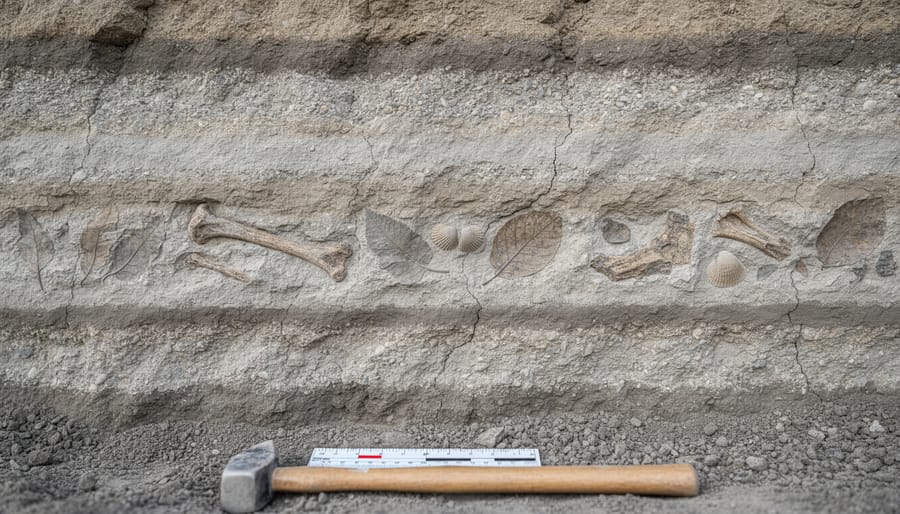
Volcanoes do something amazing besides making mountains and lava flows, they help turn once-living things into volcano fossils! When a volcano erupts, it can cover plants and animals with thick layers of ash and rock very quickly. This fast burial is like wrapping them in a protective blanket before they can rot away. Over millions of years, minerals seep into the buried remains, slowly replacing the original materials and turning them into stone fossils. Without this quick covering, bacteria and weather would destroy most plants and animals before they could become fossils.
Even though transform boundary volcanoes are rare, any volcanic activity near living things can create fossils. The ash works like nature’s time capsule, capturing a snapshot of life from long ago. Scientists have found incredible fossils in volcanic rock, including dinosaur footprints and ancient plants. Some fossils even form when lava flows around trees or animals, creating hollow molds called lava fossils. This shows how Earth’s powerful volcanic forces connect to the story of life on our planet, preserving clues about creatures that lived millions of years before humans existed.
Cool Facts About Transform Boundaries and Volcanoes
Here are some amazing facts that will make you see transform boundaries in a whole new way!
Earthquakes Are the Real Stars
While volcanoes are rare at transform boundaries, earthquakes happen all the time! The plates grinding past each other create friction that builds up energy. When that energy releases suddenly, the ground shakes. California’s San Andreas Fault produces thousands of small earthquakes every year, though most are too tiny to feel.
Scientists Use Special Tools
Researchers study transform boundaries with GPS devices that can measure ground movement smaller than your fingernail grows in a year. They also use underwater robots to explore transform boundaries on the ocean floor, where most of Earth’s plate boundaries are hidden beneath the waves.
Heat Without Eruptions
Transform boundaries create intense heat from friction as plates grind together. This heat can warm underground water, creating hot springs. Some of these hot springs become homes for unique creatures that can’t live anywhere else!
A Moving Landscape
Did you know that Los Angeles and San Francisco are slowly moving toward each other? The transform boundary between them shifts about two inches per year. In millions of years, these cities might be neighbors! These and other surprising geography facts show how Earth is always changing.
Think About This: If you could shrink small enough to watch plates moving, what would you want to see first, the grinding motion or the heat being created?
Questions Young Explorers Ask
Have you been wondering about these special volcanoes and the moving plates that create them? Let’s answer some of the questions young geologists like you often ask!
Can transform boundaries make big volcanoes?
Not usually! Transform boundaries rarely create large volcanoes because the plates slide past each other instead of pulling apart or crashing together. When volcanoes do form, they’re typically small and don’t erupt very often.
Why are earthquakes more common than volcanoes at transform boundaries?
As the plates grind past each other, they get stuck and build up pressure. When they finally slip, that sudden movement creates earthquakes, which happen much more frequently than volcanic eruptions at these boundaries.
Are transform boundary volcanoes dangerous?
They’re usually less dangerous than volcanoes at other types of boundaries because they tend to be smaller and erupt less violently. However, the earthquakes at transform boundaries can be quite powerful and need to be taken seriously.
How do scientists know the plates are moving?
Scientists use special GPS equipment that can measure tiny movements, sometimes just a few centimeters per year. They also study earthquake patterns and examine rocks to see how they’ve shifted over time.
Remember, asking questions is exactly what scientists do! Every question you ask helps you understand more about how our amazing planet works. Keep wondering, keep exploring, and never stop being curious about the ground beneath your feet.
Transform boundary volcanoes are some of the rarest and most special geological features on our planet! While most volcanoes form where plates crash together or pull apart, these unusual volcanoes appear where plates slide sideways past each other. They remind us that Earth is always moving, changing, and creating new surprises beneath our feet.
Every earthquake, every crack in the ground, and every rare volcanic eruption at a transform boundary tells a story about our amazing planet. These geological events don’t just shape mountains and valleys, they also help create fossils by quickly burying ancient plants and animals in volcanic ash, preserving them for millions of years so we can learn about Earth’s incredible history.
The next time you hear about an earthquake in California or see a picture of a volcano, think about the giant puzzle pieces moving beneath the surface. What other secrets might Earth be hiding underground? What fossils are waiting to be discovered in volcanic rock?
Keep asking questions, stay curious, and remember: you’re living on a planet that’s constantly transforming itself in the most extraordinary ways!