

Seismic activity is the shaking and movement of Earth’s surface caused by energy released from inside our planet. Think of it like when you drop a pebble in a pond and waves ripple outward. Instead of water, seismic activity creates waves that travel through rock and soil, making the ground shake. Sometimes these shakes are so tiny you can’t feel them, and other times they’re powerful earthquakes that can move buildings and change the landscape.
Understanding seismic activity helps us stay safe and explains some pretty amazing fun Earth facts about our living, breathing planet. Right now in 2026, scientists across Canada are using special tools to measure these ground movements and even warn people before earthquakes hit. Eastern Ontario and Quebec now have an Earthquake Early Warning system that gives Canadians precious seconds to take cover before the shaking starts.
In this guide, you’ll discover what causes seismic activity, the different types of earth movements, how scientists measure them, and why this information matters for communities from coast to coast. Whether you’re working on a school project or just curious about why the ground sometimes moves beneath our feet, you’ll learn everything you need to know in simple, clear terms.
What Does Seismic Activity Mean?
Seismic activity is all about movement. When the Earth shakes, vibrates, or moves in any way, that’s seismic activity happening. The word “seismic” comes from the Greek word for earthquake, but seismic activity includes much more than just the big earthquakes you hear about on the news.
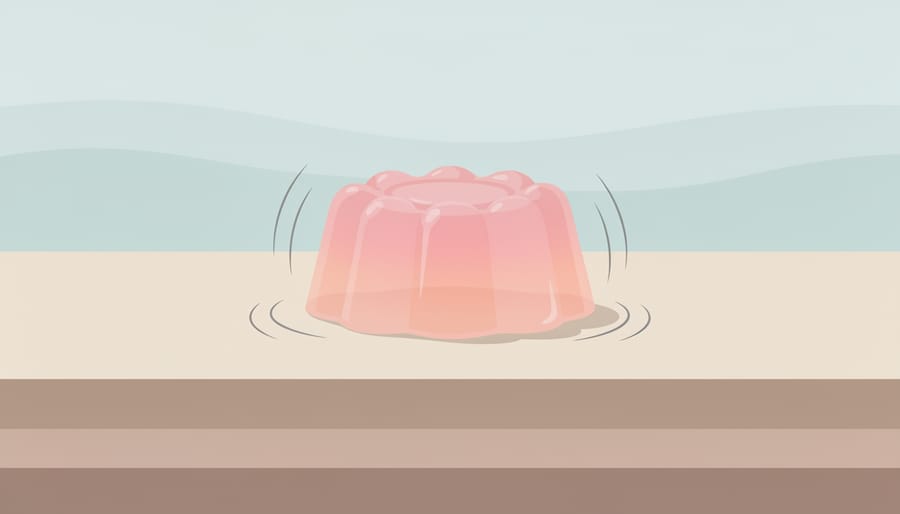
Think of the Earth like a giant bowl of jelly sitting on your kitchen table. If you gently tap the table, the jelly wobbles just a little bit. If you bump the table harder, the jelly shakes a lot more. Our planet works in a similar way. Sometimes the Earth makes tiny movements that are so small we can’t even feel them. Other times, it creates big shakes that rattle windows and knock books off shelves. All of these movements, big and small, are examples of seismic activity.
- Seismic
- Anything related to shaking or vibrations in the Earth. The word helps scientists describe all kinds of ground movements.
- Earthquake
- A sudden shaking of the ground caused by movement inside the Earth. Earthquakes are the most common type of seismic activity people notice.
- Tremor
- A small shake or vibration in the ground, usually gentler than an earthquake. Many tremors are so tiny that only special scientific tools can detect them.
- Seismic Waves
- The energy waves that travel through the Earth during seismic activity, like ripples spreading across a pond when you drop a pebble in the water.
Seismic activity happens all around the world, every single day. Most of it is so gentle that you’d never know it was happening. But whether it’s a rumble from a volcano, a tiny tremor deep underground, or a powerful earthquake, it’s all part of how our amazing planet moves and changes.
How Does Seismic Activity Work?
Where Does Seismic Activity Happen?
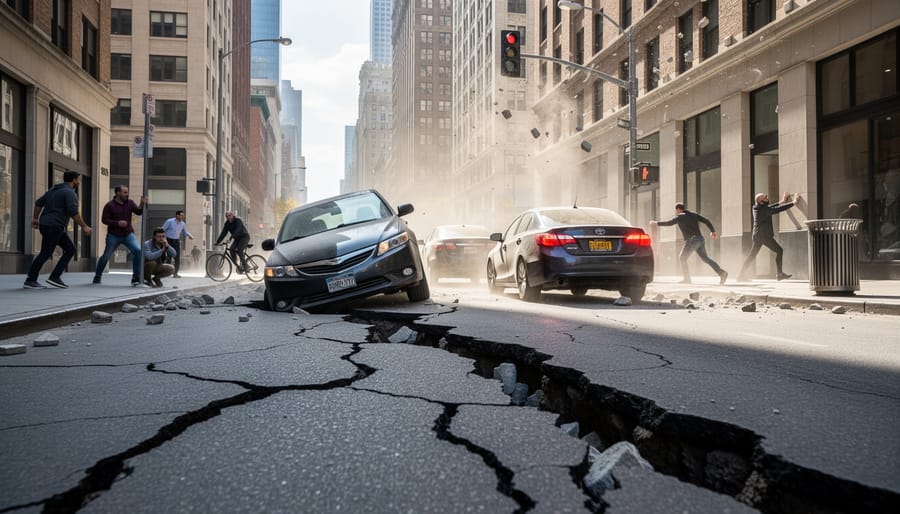
Seismic activity can happen anywhere on Earth, but some places shake more often than others. Most earthquakes occur along the edges of tectonic plates, those giant puzzle pieces that make up the planet’s surface. When these plates bump, slide, or pull apart at their boundaries, they create lots of seismic activity. That’s why places like Japan, California, and parts of South America experience frequent earthquakes.
But here’s something surprising: earthquakes can also happen right in the middle of plates, far from any edges! Scientists call this intraplate seismicity. Canada is a perfect example. Parts of central and northern Canada experience earthquakes even though they’re nowhere near plate boundaries. Scientists are still working hard to understand why this happens. What makes the ground shake in these unexpected places? It’s one of the puzzles researchers are trying to solve.
The good news is that understanding where seismic activity happens helps us prepare. Scientists study earthquake patterns all around the world to figure out which areas need stronger buildings and better safety plans. They also look at how seismic activity shapes Earth’s land features over millions of years. Every earthquake, whether at a plate boundary or in the middle of a plate, teaches us something new about our incredible, ever-changing planet.
Different Types of Seismic Activity
Not all seismic activity is the same. Some events shake entire cities while others are so tiny that only special instruments can pick them up. The type of seismic activity depends on how much energy gets released and what causes the shaking in the first place.
Earthquakes are the most common and well-known type of seismic activity. These happen when tectonic plates suddenly slip and release stored-up energy, making the ground shake. Big earthquakes can knock over buildings and change the landscape, while smaller ones might just rattle your windows or feel like a truck driving past your house. Scientists classify earthquakes by their strength, from barely noticeable to extremely powerful.
Volcanic seismic activity happens near volcanoes and seismic events often occur together because moving magma (hot melted rock) underground creates pressure and cracking that makes the Earth shake. When a volcano is getting ready to erupt, scientists can detect hundreds of tiny earthquakes happening beneath it. Think of it like a fizzy drink bottle being shaken up, the pressure builds and causes movement before anything bursts out.
Here are the main types of seismic activity you might hear about:
- Big earthquakes that people can feel and that might cause damage to buildings
- Small tremors that happen all the time but are usually too weak for us to notice
- Aftershocks, which are smaller earthquakes that follow a big one as the rocks settle back down
- Volcanic rumbles caused by magma moving underground near active volcanoes
The smallest seismic events are called microseisms, and they happen constantly all over the planet. Your feet could be standing right above one and you would never know it. Only sensitive seismographs can detect these whisper-quiet movements. On the other end of the scale, major earthquakes release enormous amounts of energy, enough to move entire chunks of land several meters in just seconds.
How Scientists Measure Seismic Activity
Scientists use special tools called seismographs to detect and measure Earth’s movements. Think of a seismograph like a super-sensitive detector that can feel even tiny wiggles in the ground that you can’t sense at all. When the Earth shakes, these instruments draw squiggly lines on paper or computer screens, creating a picture of how the ground moved. The bigger and wigglier the lines, the stronger the shaking. Scientists look at these patterns to figure out how powerful an earthquake was, where it started, and how the energy travelled through the Earth.
- Seismograph
- A scientific instrument that detects and records how the ground shakes during seismic activity. Seismographs measure motion by creating wave patterns that scientists can study.
- Magnitude
- A number that tells us how much energy an earthquake released. Larger magnitude numbers mean more powerful earthquakes that cause stronger shaking.
- Peak Ground Velocity
- How fast the ground moves during the strongest shaking, measured in peak ground velocity units like meters per second. It helps scientists understand how intense the shaking will feel.
Countries like Canada use special computer models to understand earthquake dangers in different places. These models help engineers know exactly how strong to make buildings so they can stand up to shaking. Canada’s building code uses information from the country’s seismic hazard model to create safety rules, making sure that schools, hospitals, and homes are built to protect people during earthquakes. By studying all this measurement data, scientists can make detailed maps showing which areas might experience stronger or weaker shaking, helping communities prepare and stay safe.
How Seismic Activity Knowledge Is Used

Understanding seismic activity isn’t just about learning cool science facts. It helps keep people safe in real ways every single day! When scientists study how the Earth shakes and moves, they use that knowledge to design buildings and bridges that can bend and sway during earthquakes instead of cracking apart. Engineers carefully plan where to put schools, hospitals, and homes so they’re as safe as possible when the ground starts moving.
One of the most exciting uses of seismic knowledge is early warning systems. Canada’s Earthquake Early Warning system is now live in eastern Ontario and Quebec, and it’s pretty amazing how it works. Special sensors detect the first tiny waves from an earthquake, which travel faster than the bigger, more dangerous shaking waves. The system sends alerts to people’s phones and computers, giving them critical seconds to drop, cover, and hold on before the strong shaking arrives. Those few seconds can make a huge difference, letting people get under desks, move away from windows, or stop what they’re doing to stay safe.
Communities also use seismic research to prepare emergency plans. Schools practice earthquake drills, families create safety kits with water and supplies, and cities develop response teams ready to help after a big shake. By understanding where earthquakes are most likely to happen and how strong they might be, communities can get ready ahead of time instead of being caught by surprise.
Try This! Seismic Activity Challenge
Ready to become a seismologist for a day? Let’s explore seismic activity with some hands-on fun!
First, imagine you’re at school and the ground suddenly starts shaking. What would you do? Think about it for a moment. Scientists say the safest thing is to drop to your hands and knees, take cover under a desk or table, and hold on until the shaking stops. This is called “Drop, Cover, and Hold On”, it keeps you safe from falling objects during an earthquake.
Now try thinking like a scientist who studies seismic waves:
- How do you think scientists know an earthquake happened on the other side of the world?
- If you had a seismograph, where would you place it to detect the tiniest tremors?
- Why might animals sense earthquakes before humans do?
Here’s a fun experiment you can try at home to see how seismic energy travels. Fill a large bowl with water and let it sit completely still. Now tap the side of the bowl gently with your finger. Watch how waves ripple outward from where you tapped! That’s similar to how seismic waves travel through the Earth from an earthquake’s starting point. Try tapping harder or softer, notice how stronger “earthquakes” make bigger waves? Scientists study these patterns to understand how energy moves through our planet during real seismic activity.
Common Questions About Seismic Activity
Can we predict earthquakes?
Not yet! Scientists can’t tell exactly when or where an earthquake will happen. But they can study patterns to understand which areas are more likely to shake and build warning systems that give people a few precious seconds to take cover when shaking starts.
Why do some places have more earthquakes than others?
Most earthquakes happen where Earth’s giant puzzle pieces (tectonic plates) meet and rub against each other. Places like Japan and California sit right on these edges, so they feel more shaking. But earthquakes can happen anywhere, even in the middle of Canada, though scientists are still figuring out exactly why.
Are all earthquakes dangerous?
No! Most earthquakes are so tiny that we can’t even feel them. Scientists detect thousands of these mini-shakes every day. Only a small number of earthquakes are strong enough to knock things over or damage buildings.
How do animals sense earthquakes?
Some people say animals act strangely before earthquakes, dogs bark, birds fly away, or fish jump oddly. Animals might feel the tiny vibrations before we do, but scientists are still studying whether animals can really predict earthquakes or if it’s just coincidence.
These questions show just how much mystery still surrounds seismic activity. Every earthquake teaches scientists something new, and the answers they discover help keep communities safer when the ground starts to shake.
Now you know what seismic activity means and how our incredible planet creates these natural movements. The Earth is always changing, shifting, and surprising us, and that’s what makes studying it so exciting. Scientists around the world are like detectives, using special tools and clever thinking to solve the mysteries of earthquakes and protect communities. They’re discovering new things all the time, from how intraplate seismicity works in surprising places to better ways of giving people warning before shaking starts. Keep wondering about our amazing Earth and asking big questions, that curiosity is exactly what scientists need to keep learning and keeping everyone safer!