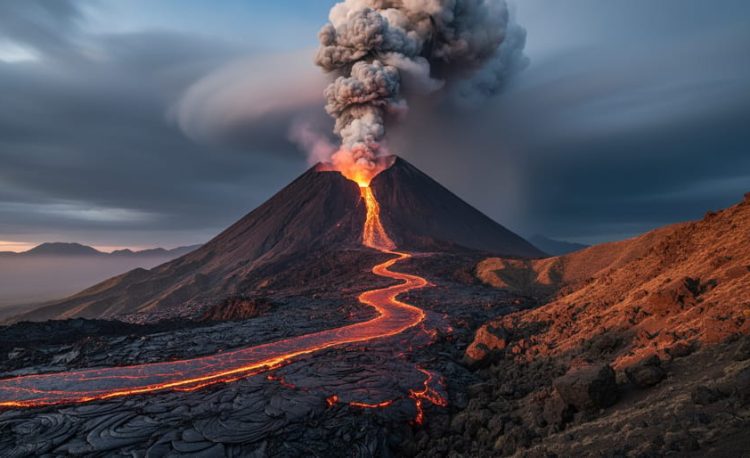
Volcanoes are some of the most powerful forces shaping Earth’s geography and they’re filled with surprises that go way beyond just erupting lava! From volcanoes tall enough to dwarf Mount Everest to ones that actually help grow your favorite foods, these incredible natural features are working all over our planet right now. Whether you’re working on a school project or just love learning about how Earth works, you’ll discover that volcanoes can build entire islands, make sounds heard thousands of miles away, and even exist on other planets. Ready to explore ten amazing volcano facts that might just surprise you?
Think you know everything about volcanoes? Here’s a quick challenge: Can you guess how many active volcanoes are erupting on Earth right now? The answer might shock you, and it’s just one of the fascinating facts waiting for you in this guide!
How We Chose These Volcano Facts
We picked these ten volcano facts because they’ll teach you something surprising and help you understand how volcanoes really work. Each fact covers a different part of the volcano story, from where they’re found to how hot they get, and even how they help people grow food. We chose facts that are perfect for students like you, easy to understand, but amazing enough to share with your friends and family.
You’ll discover facts about volcano types, record-breaking eruptions, and even volcanoes on other planets. Some facts explain the scary parts of volcanoes, while others show how volcanoes can actually be helpful. By the end, you’ll know enough about volcanoes to sound like a real Earth science expert!
1. There Are More Than 1,500 Active Volcanoes on Earth
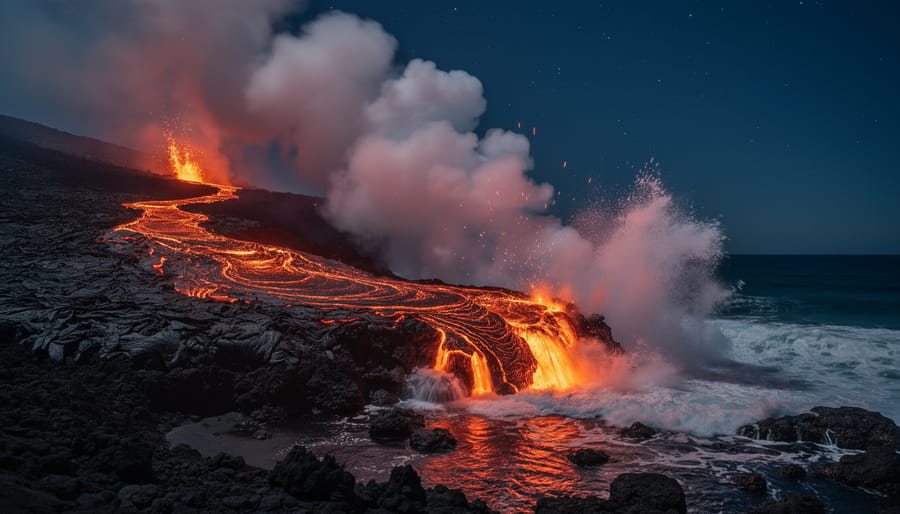
Did you know our planet has over 1,500 active volcanoes right now? That’s a lot of potential eruptions! But don’t worry, “active” doesn’t mean they’re all erupting at once. A volcano is called active when it has erupted recently or could erupt again someday. Some active volcanoes haven’t erupted in hundreds of years, while others bubble and steam regularly.
Most of these volcanoes sit along something called the Ring of Fire. Imagine drawing a giant horseshoe shape around the Pacific Ocean. That’s where you’ll find about 75% of Earth’s volcanoes! Countries like Japan, Indonesia, the Philippines, and the west coasts of North and South America all sit on this fiery ring.
Why are so many volcanoes in one area? The Ring of Fire marks where huge puzzle pieces of Earth’s crust, called tectonic plates, bump and push against each other. When these plates meet, magma can push through cracks and create volcanoes.
2. Volcanoes Can Build Islands Right in the Ocean
Did you know that some islands didn’t exist until volcanoes made them? It’s true! When a volcano erupts underwater on the ocean floor, hot lava pours out and cools down quickly in the cold water. The lava hardens into rock, and with each eruption, more layers stack up. Over thousands of years, the volcano grows taller and taller until it finally pokes up above the waves, and boom, you’ve got a brand new island!
The Hawaiian Islands are a perfect example. They were all built by underwater volcanoes over millions of years. In fact, right now there’s a new volcano called Loihi growing underwater off the coast of Hawaii. It’s not tall enough to see yet, but scientists think it might become a new Hawaiian island in about 10,000 to 100,000 years. That means volcanoes are still building islands today, just very, very slowly. Nature is like the ultimate construction worker!
3. Lava Can Be as Hot as 2,200°F (1,200°C)
Imagine something so hot it could melt metal and turn rocks into glowing liquid, that’s how incredibly hot lava can be! When lava pours out of a volcano, it reaches temperatures up to 2,200°F (1,200°C). To help you picture just how scorching that is, think about your kitchen oven. Even when it’s baking cookies at its hottest setting, it only gets to around 500°F. Lava is more than four times hotter than that!
Here’s a cool trick to remember: the red-hot liquid is called lava when it’s flowing on the Earth’s surface, but when it’s still underground inside the volcano, it’s called magma. So magma becomes lava once it erupts and reaches the outside world.
Quick comparison: A pizza oven might reach 800°F, but lava is nearly three times hotter. That extreme heat is why lava glows bright orange or red and can set trees on fire just by being nearby.
4. The Biggest Volcano Is Taller Than Mount Everest
Did you know the world’s tallest mountain is actually a volcano? When you measure from the seafloor to the peak, Mauna Kea in Hawaii beats Mount Everest by a long shot! Mount Everest stands at 29,032 feet above sea level, but Mauna Kea reaches an incredible 33,500 feet when you count the part hidden underwater. That’s over 4,000 feet taller!
Most of Mauna Kea hides beneath the Pacific Ocean. Only about 13,796 feet sticks up above the water, which is why people usually think of Everest as the tallest. But if you could drain the ocean and see the whole mountain from bottom to top, Mauna Kea would tower over everything else on Earth.
Here’s how some famous mountains compare:
- Mauna Kea (Hawaii): 33,500 feet from ocean floor to summit
- Mount Everest (Nepal/Tibet): 29,032 feet above sea level
- Mount Kilimanjaro (Tanzania): 19,341 feet above sea level
- Mount Fuji (Japan): 12,389 feet above sea level
Mauna Kea is a shield volcano, which means it formed gradually over hundreds of thousands of years as lava flowed out and hardened. It’s not erupting anymore, so scientists have built telescopes on top to study the stars. The mountain is so tall that snow covers its peak in winter, which seems surprising for a tropical island. Just like volcanoes create volcano fossils by preserving ancient life in lava, they can also build the tallest structures on our planet!
5. Volcanic Ash Can Travel Around the Whole World
When a volcano erupts, it doesn’t just send lava flowing down its sides, it also shoots tiny particles of rock and glass called volcanic ash high into the sky. This ash is so light that strong winds can carry it thousands of miles away from the volcano! In 2010, a volcano in Iceland called Eyjafjallajökull erupted and sent ash clouds across Europe, grounding airplanes for days because the ash could damage jet engines.
Scientists track ash clouds like weather detectives, using satellites and special instruments to see where the wind will carry them next. Sometimes ash from a really big eruption can circle the entire planet, blocking a bit of sunlight and making temperatures slightly cooler for months. The ash eventually falls back to Earth, sometimes landing on countries far from where the eruption happened. It’s like the volcano is sending a message across the world, showing just how powerful and far-reaching nature can be!
6. Volcanoes Help Make Soil Super Fertile for Growing Food
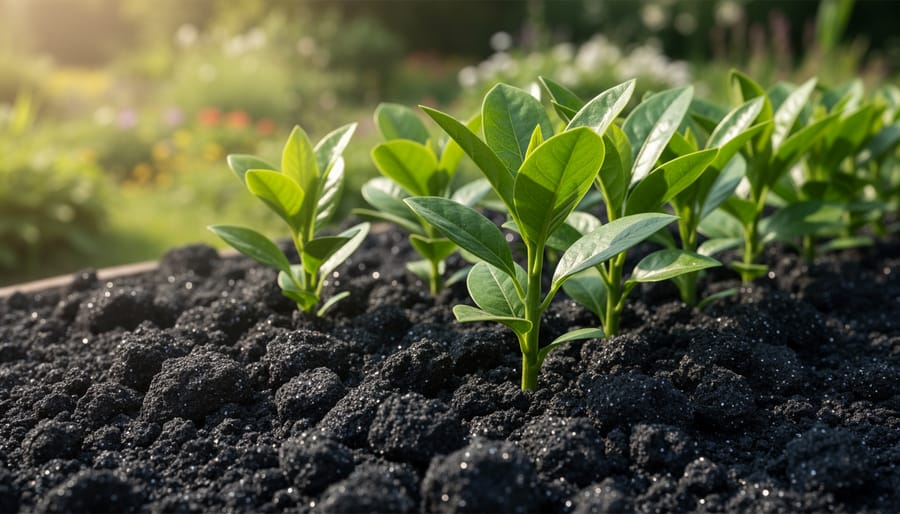
Volcanoes might seem scary, but they actually do something amazing for the land around them, they create some of the best soil on Earth for growing plants! When a volcano erupts, it releases ash and lava that contain lots of important minerals like nitrogen, potassium, and phosphorus. These minerals act like super-powered fertilizer for the soil. Over time, after the lava cools and the ash breaks down, the ground becomes incredibly rich and perfect for farming.
That’s why farmers in places like Italy, Indonesia, and Hawaii choose to live near volcanoes, even though there’s some risk. The volcanic soil helps them grow fantastic crops like coffee, bananas, grapes, and rice. Some of the world’s best farmland is found on volcanic slopes! This happens whether the volcano formed at a spreading ridge, subduction zone, hotspot, or even a transform boundary volcano. The benefits of volcanic soil can last for hundreds of years, making it worth the careful planning needed to farm safely in these areas.
7. There Are Three Main Types of Volcanoes
Not all volcanoes look the same! Scientists group volcanoes into three main types based on their shape and how they erupt.
Shield volcanoes are wide and gently sloped, like a warrior’s shield lying on the ground. They form when runny lava flows easily and spreads out over large areas. Hawaii’s Mauna Loa is a famous shield volcano, it’s so wide it covers half the island!
Cinder cone volcanoes are the smallest type and have steep sides that look like a cone. They’re built from bits of lava that harden in the air and pile up around the opening. Parícutin in Mexico is a cinder cone that grew from a farmer’s cornfield in 1943.
Composite volcanoes (also called stratovolcanoes) are tall, cone-shaped mountains made from layers of lava and ash. They’re the most dangerous type because their eruptions can be explosive. Mount Fuji in Japan and Mount St. Helens in Washington are both composite volcanoes.
Each type erupts differently, making volcano science even more fascinating to explore!
8. The Loudest Sound Ever Recorded Came From a Volcano
Imagine a sound so loud that people heard it almost 3,000 miles away! That’s what happened in 1883 when Krakatoa, a volcano in Indonesia, erupted with massive force. The explosion was so powerful that it’s still considered the loudest sound ever recorded in human history. People on islands hundreds of miles away thought they heard cannon fire from a distant battle. The sound waves traveled around the entire Earth four times, and the eruption was so intense that it created huge ocean waves called tsunamis and changed the weather around the world for months.
The explosion also blasted rock and ash into tiny pieces, and some of that material cooled so quickly that it formed special patterns, similar to how lava fossils preserve shapes when hot lava surrounds objects. Scientists estimate the sound reached 310 decibels, way louder than a rocket launch or even standing next to a jet engine!
9. Some Volcanoes Are Found on Other Planets and Moons
Did you know that Earth isn’t the only place with volcanoes? Scientists have discovered volcanoes on other planets and moons in our solar system!
The biggest volcano we know about anywhere is called Olympus Mons, and it’s on Mars. This giant volcano is almost three times taller than Mount Everest! If you stood at the bottom and looked up, you wouldn’t even see the top because it’s so huge. Olympus Mons is so wide that if you put it on a map of the United States, it would cover most of Arizona.
Jupiter’s moon Io is even more amazing for volcano fans. It has hundreds of active volcanoes erupting all the time, making it the most volcanically active place in our entire solar system. Instead of rocky lava like on Earth, some of Io’s volcanoes shoot out yellow and orange sulfur, creating a colorful, alien landscape.
These space volcanoes help scientists understand how planets form and change over billions of years!
10. Scientists Called Volcanologists Study Volcanoes Up Close
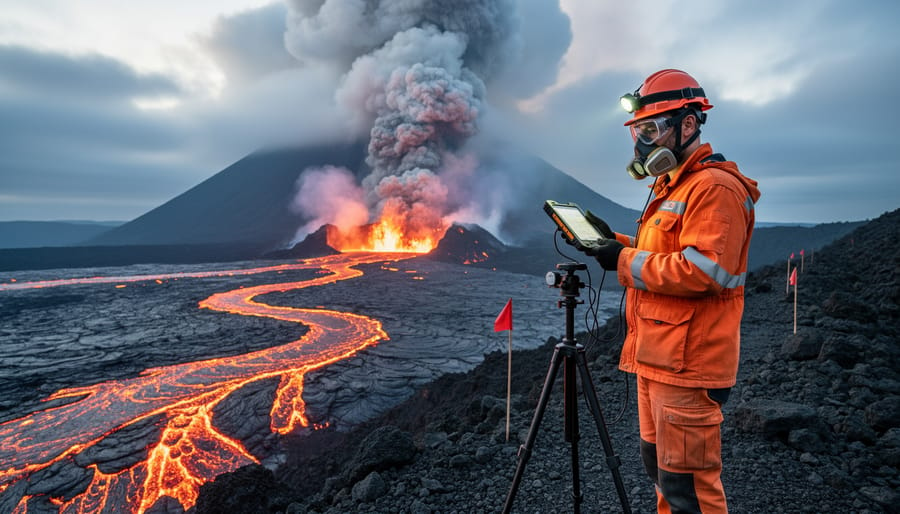
Ever wonder who’s brave enough to stand near a volcano while it’s active? Meet volcanologists, scientists who study volcanoes for a living! These real-life adventurers wear special heat-resistant suits and use high-tech tools to measure temperatures, collect lava samples, and watch for signs of eruptions.
Why do they do such a dangerous job? Volcanologists help keep communities safe by predicting when volcanoes might erupt. They use seismographs to detect tiny earthquakes underground, which often happen before an eruption. They also fly drones over volcanic craters to capture video and data without getting too close.
Some volcanologists camp near active volcanoes for weeks, monitoring changes every single day. They might measure gas coming from vents or use special cameras that detect heat through thick ash clouds. Their work has saved thousands of lives by warning people to evacuate before major eruptions.
If you love science, adventure, and helping others, becoming a volcanologist could be an amazing career choice!
What You’ve Learned About Volcanoes
Wow, you’ve just learned some amazing things about volcanoes! You now know that there are more than 1,500 active volcanoes on our planet, lava can reach scorching temperatures of 2,200°F, and volcanic eruptions can create brand-new islands right in the ocean. You have discovered that volcanoes exist on other planets like Mars, and that the loudest sound ever recorded came from the Krakatoa eruption. Plus, you learned that volcanic soil helps farmers grow delicious food, and volcanologists have the coolest job studying these powerful mountains up close.
Can volcanoes erupt in my town?
Most towns are far from active volcanoes, so you’re probably safe. Scientists keep close watch on all active volcanoes and would warn people long before an eruption.
How do scientists know when a volcano will erupt?
Volcanologists use special tools to measure earthquakes, gas releases, and changes in the volcano’s shape. These clues help them predict eruptions, though volcanoes can still surprise us sometimes.
Which fact surprised you the most? Think about how volcanoes shape our world in both powerful and helpful ways. Keep exploring, and you might discover even more incredible volcano secrets through hands-on activities and experiments!