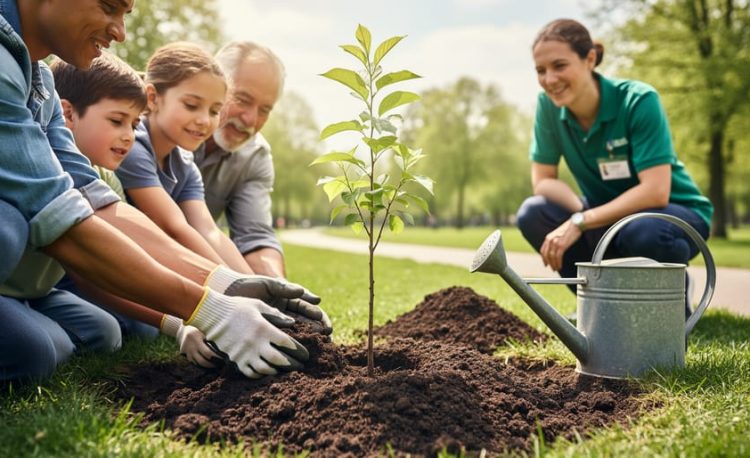
Earth Day is the planet’s birthday party, and you’re invited! Every year on April 22nd, over 1 billion people around the world celebrate our amazing home by planting trees, cleaning up parks, and learning how to protect nature. What started in 1970 with just one country has grown into the biggest environmental celebration on Earth, bringing together kids, families, and communities in nearly every nation.
Why do we need a special day for our planet? Because Earth Day reminds us that small actions add up to big changes. When the first Earth Day happened in 1970, rivers were so polluted that some actually caught on fire! Today, thanks to Earth Day and the laws it helped create, our air is cleaner, more forests are protected, and millions of people know how to recycle.
Learning about Earth Day connects you to the incredible earth geography features that make our planet special, from towering mountains to sparkling oceans. The best part? You don’t need to wait until April 22nd to help Earth. Every day is a chance to be a planet hero!
Ready to discover 15 amazing Earth Day facts that will surprise you and inspire your next eco-adventure?
Why We Celebrate Earth Day
Earth Day is a special celebration when people around the world join together to show they care about our planet. We celebrate it because our Earth needs our help, sometimes air gets polluted, forests get cut down, and animals lose their homes. Earth Day reminds everyone that we can make a difference by taking care of nature.
The day was created to bring attention to environmental problems and teach people how to solve them. When Earth Day started, rivers were so dirty that fish couldn’t live in them, and smog made it hard to breathe in big cities. People realized they needed to work together to clean up the mess and protect nature for future generations. That’s exactly what Earth Day is all about, taking action to make our planet cleaner, greener, and healthier for everyone who lives here, from the tiniest insects to the biggest whales.
1. Earth Day Started with a Big Idea in 1970
Back in 1970, a U.S. Senator named Gaylord Nelson had a brilliant idea. He noticed that rivers were dirty, air was filled with smoke, and nobody seemed to care much about protecting nature. Senator Nelson wanted to change that, so he planned a special day to teach everyone about taking care of our planet.
He picked April 22nd and called it Earth Day. The idea caught on like wildfire! People across America organized cleanups, planted trees, and learned about pollution. What started as one person’s big dream turned into a movement that changed how the whole world thinks about protecting Earth. Pretty amazing for something that began with just one concerned person wanting to make a difference!
2. 20 Million People Joined the First Earth Day
Can you imagine 20 million people all doing something together on the same day? That’s exactly what happened at the very first Earth Day in 1970! About 1 in every 10 Americans joined in, making it one of the largest organized events in U.S. history at that time.
People gathered in parks, streets, and schools across the country. They picked up trash, planted gardens, and learned about protecting nature. Some cities closed entire streets so families could ride bikes instead of cars. The huge number of participants showed leaders that Americans really cared about keeping Earth healthy and clean.
3. Earth Day Happens Every April 22nd
April 22nd became Earth Day’s official date because it falls right between spring break and final exams, when students could participate. The founder, Senator Gaylord Nelson, also wanted a day when the weather would be nice enough for outdoor activities in most parts of the United States.
Now, people on every continent (except Antarctica) celebrate on April 22nd each year. Even though it’s different seasons around the world, spring in North America but autumn in Australia, everyone marks the same calendar date. This creates a powerful moment when billions of people focus on protecting Earth together. Some countries add their own special traditions, like tree planting ceremonies in Kenya or beach cleanups in coastal cities.
4. Over 1 Billion People Celebrate Earth Day Now
That’s right, more than one billion people around the world now celebrate Earth Day! When it started in 1970, only Americans participated. But the celebration grew bigger and bigger as people in other countries heard about it and wanted to join in protecting our planet too.
Today, Earth Day happens in over 190 countries across every continent. That’s almost every country on Earth! People in places like Brazil, India, Kenya, Japan, and Australia all celebrate on the same day. Some communities organize beach cleanups, others plant gardens, and many schools teach special lessons about taking care of nature. It’s amazing to think that on April 22nd each year, people from different cultures, speaking different languages, are all working together for the same goal, keeping Earth healthy and beautiful.
5. The Earth Day Flag Shows Our Whole Planet
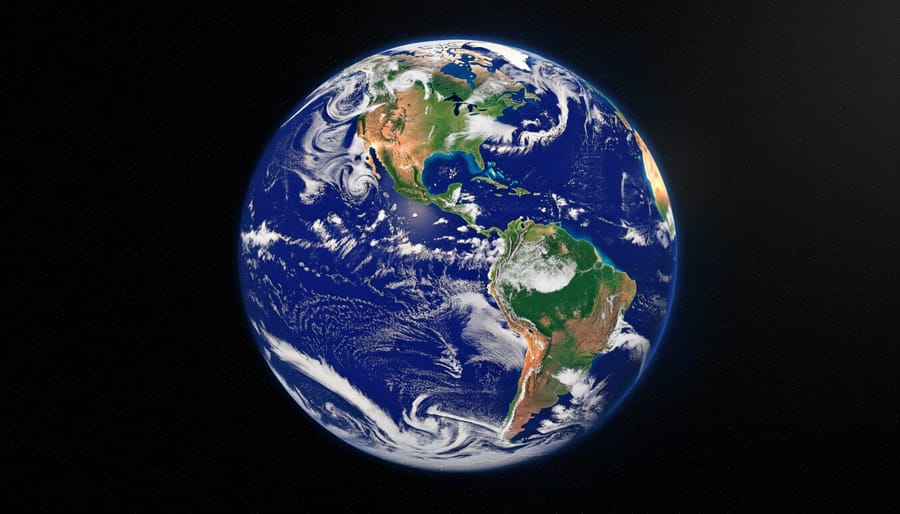
The Earth Day flag is super special because it shows a real photograph of our planet floating in space! The image was taken by NASA astronauts and shows Earth’s blue oceans, green and brown land, and swirly white clouds. It reminds us that Earth is the only home we have in the entire universe. When you see this flag at Earth Day events, it helps everyone remember we’re all sharing one beautiful planet that needs our care.
6. Earth Day Helped Create Important Environmental Laws
Earth Day didn’t just raise awareness, it helped make real laws to protect nature! After the first Earth Day in 1970, the U.S. government created the Environmental Protection Agency (EPA) later that same year. This special agency’s job is to keep our air and water clean and safe. Earth Day also inspired important laws like the Clean Air Act, which stops factories from polluting the air we breathe, and the Clean Water Act, which protects rivers, lakes, and oceans from getting dirty. The Endangered Species Act came next, helping save animals like bald eagles and sea turtles from disappearing forever. These laws exist today because millions of people showed they cared about Earth!
7. Trees Are Earth Day’s Favorite Symbol
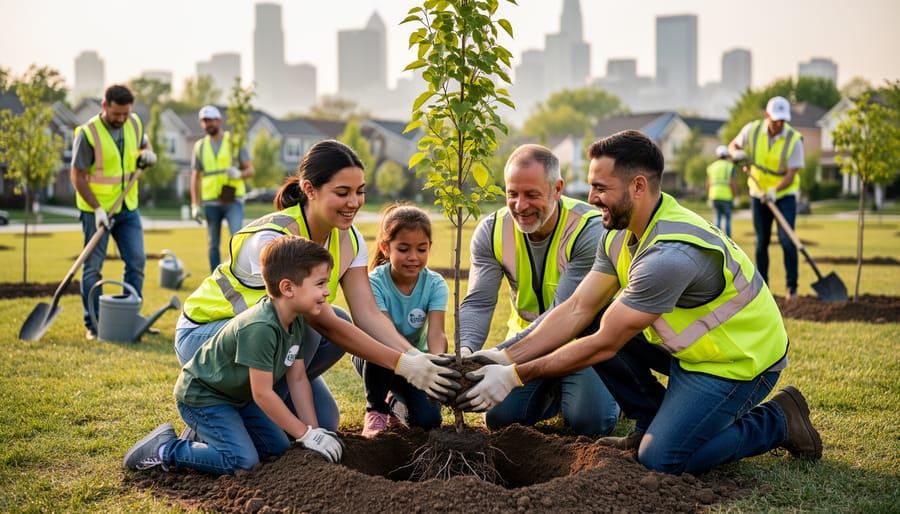
Trees became Earth Day’s favorite symbol because they’re like nature’s superheroes, they clean our air, provide homes for animals, and make our planet beautiful! When Earth Day started, people realized planting trees was something everyone could do to help the environment.
The tradition caught on quickly. Kids, families, and communities began organizing tree-planting events every April 22nd. It’s one of the most popular Earth Day activities because you can watch your tree grow bigger each year, just like your commitment to protecting Earth grows too.
Since the first Earth Day, people around the world have planted billions of trees! Some communities plant entire forests together. Others plant single trees in schoolyards or parks. Every tree makes a difference by giving us cleaner air to breathe and cooler shade on hot days.
8. The Recycling Symbol Was Born Around Earth Day Time
You know that triangle of arrows you see on bottles, cans, and paper? It was created in 1970, the same year as the first Earth Day! A college student named Gary Anderson designed it for a contest. The three arrows chasing each other represent how materials can be used again and again instead of thrown away. Each arrow stands for a different step: collecting things to recycle, turning them into new materials, and buying products made from recycled stuff. This symbol became so popular that now people around the world instantly recognize it means “recycle me!” It’s pretty amazing that a design created by a 23-year-old student became one of the most famous symbols on Earth.
9. Schools Close in Some Places for Earth Day
While most schools stay open on Earth Day, some lucky students get the day off to celebrate nature! These schools plan special outdoor field trips to parks, beaches, or nature centers instead of regular classes. Students might spend the day planting trees, cleaning up litter, or exploring local wildlife habitats with their teachers. Even schools that don’t close completely often have special assemblies, environmental fairs, or outdoor science lessons to make April 22nd feel different from other school days.
10. Earth Day Has a Theme Each Year
Every Earth Day comes with its own special theme that tells us what to focus on that year. The people who organize Earth Day pick a different topic each time to help us learn about specific environmental problems our planet faces. One year might focus on protecting forests, while another year highlights ocean pollution or saving endangered animals.
These themes help teachers, families, and communities plan activities and lessons around one big idea. When everyone around the world talks about the same environmental challenge, it’s easier to make a real difference and teach others why it matters.
11. The Largest Earth Day Event Had 100,000 People
Can you imagine 100,000 people gathering in one place to celebrate Earth? That’s exactly what happened at some of the biggest Earth Day events! Cities like Washington D.C. and New York have hosted massive Earth Day festivals where huge crowds come together for concerts, activities, and learning about nature. These giant celebrations often fill entire parks with families playing games, watching performances, and promising to help protect our planet. Some events are so big they need multiple stages!
12. Google Creates Special Doodles for Earth Day
Every year on April 22nd, millions of people visit Google and see something special: an interactive Earth Day Doodle on the homepage. Google’s artists create animated designs that teach visitors about our planet’s ecosystems, endangered animals, and environmental challenges. These colorful artworks often feature playful animations you can click to learn more about nature topics like climate zones, ocean life, or even volcano facts and fossils from volcanoes. Many other websites and apps also create special Earth-themed graphics, turning the internet green for the day and reminding everyone to think about protecting our planet.
13. Kids Have Their Own Earth Day Activities
Kids around the world celebrate Earth Day with hands-on activities that make protecting the planet fun. Schools and families organize special projects that let children get outside, get creative, and help nature at the same time.
Some favorite Earth Day activities kids love include:
- Planting seeds in gardens or small pots to grow flowers, vegetables, or trees
- Creating artwork and crafts using recycled materials like cardboard, plastic bottles, and old magazines
- Going on nature walks to observe wildlife and identify different plants and birds
- Starting a compost bin to turn food scraps into rich soil for plants
Many kids join neighborhood cleanup events where they collect litter from parks, beaches, and streets. Making bird feeders from pinecones and peanut butter gives children a simple way to help local animals while learning about different bird species that visit their area.
14. Earth Day Inspired Earth Hour and Earth Week
Earth Day became so popular that people created even more ways to celebrate our planet! Earth Hour started in 2007 when millions of people turned off their lights for one hour to show they care about saving energy. It happens every March, and cities around the world go dark for sixty minutes, you can even see the difference from space! Earth Week stretches the celebration across seven whole days in April, giving schools and communities more time for special projects like beach cleanups, nature walks, and learning about endangered animals. Some families make it Earth Month and do something helpful for the planet every single day. These celebrations remind us that taking care of Earth doesn’t have to happen just once a year.
15. You Can Celebrate Earth Day Every Day
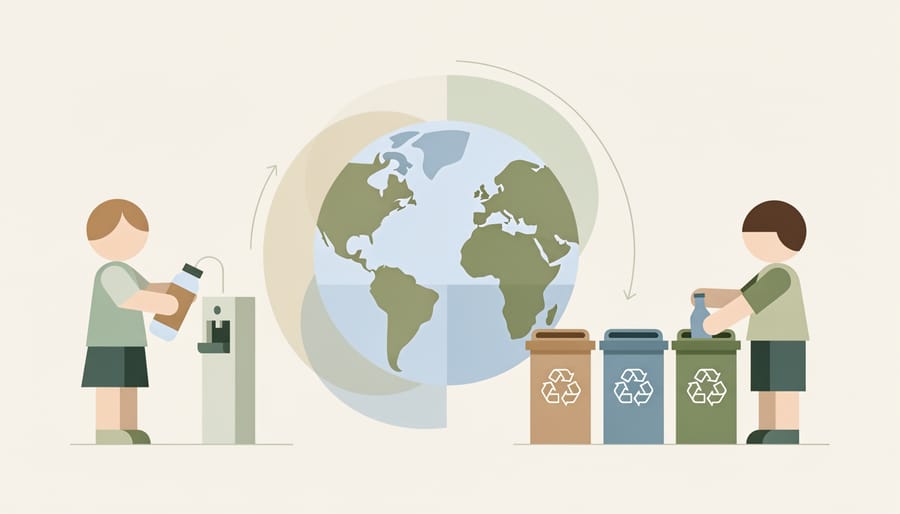
The best Earth Day secret? You don’t have to wait until April 22nd to help our planet. Every single day is a chance to make Earth-friendly choices. Turn off lights when you leave a room. Use both sides of your paper. Take shorter showers to save water. Pick up litter you see on the ground, even if you didn’t drop it. Choose reusable water bottles instead of plastic ones. When you learn about our planet, from how rainforests work to lava fossils explained by volcanic activity, you discover more reasons to protect it. These small actions add up to big changes when everyone does their part. You’re an Earth helper 365 days a year!
Try This Earth Day Challenge
Ready to become an Earth hero? Pick one action from the list below and do it for a whole week. You might be surprised how easy it is to help our planet!
Once you’ve picked your challenge, tell your friends and family what you’re doing. They might want to join you! At the end of the week, think about how your small action helped reduce waste or save energy. Many kids find that their Earth Day challenge becomes a habit they want to keep doing all year long.
Questions Kids Ask About Earth Day
Do animals celebrate Earth Day?
Animals don’t throw parties, but they definitely benefit from Earth Day! When people plant trees, clean up beaches, and protect nature on Earth Day, they’re creating better homes for animals. Birds get safer nesting spots, ocean creatures swim in cleaner water, and forest animals have more space to live. In a way, every Earth Day action is a gift to our animal friends.
Can kids start their own Earth Day project?
Absolutely! You can organize a neighborhood cleanup, start a recycling program at school, or create posters teaching others about saving water. Even small projects make a big difference.
Do other planets have Earth Day?
Nope, Earth Day is special to our planet because it’s the only one we know that has life. Other planets don’t need a celebration day since nobody lives there to protect them!
What’s the difference between Earth Day and Arbor Day?
Arbor Day focuses specifically on planting and caring for trees, while Earth Day celebrates protecting all parts of nature including water, air, animals, and plants.
How can I help the Earth if I’m young?
You can turn off lights when leaving rooms, use reusable water bottles, pick up litter, and teach friends about taking care of nature. Your actions inspire others!
What happens at Earth Day events?
Earth Day events are super fun! Communities organize park cleanups where families pick up trash together. Schools might have special assemblies with games about recycling. Some places host nature walks, tree-planting ceremonies, or craft activities using recycled materials. Many events include music, face painting, and booths where you learn cool facts about protecting the environment.
Earth Day reminds us that our planet is special and worth protecting. Now you know 15 amazing facts about this important celebration, from how it started in 1970 to how over a billion people join in today. These facts show that when people care about Earth, incredible things happen. Clean air laws get passed. Millions of trees get planted. Kids around the world learn to love nature.
The best part? You don’t need to wait until April 22nd to make a difference. Every time you recycle, plant a seed, or pick up litter, you’re celebrating what Earth Day stands for. Share your favorite fact from this list with a friend or family member. Talk about which Earth-friendly action you’ll try this week. When we learn about our planet and take care of it together, we’re making Earth Day’s big idea come true every single day.