Recycling turns trash into treasure by giving old items a second life instead of burying them in landfills where they harm our planet. When you toss a plastic bottle into the recycling bin, it can become part of a new toy, a cozy fleece jacket, or even playground equipment. This simple act helps save energy, protects animals and plants, and keeps our air and water cleaner for everyone.
Every year, people around the world create billions of tons of garbage. Without recycling, all that waste piles up in enormous dumps that take up space, leak harmful chemicals into the ground, and release gases that make Earth warmer. The good news? You have the power to change this story.
Think about everything you throw away in just one day. How many items could have been recycled instead? Maybe that juice box from lunch, the cardboard from your cereal box this morning, or the newspaper your family finished reading. Each time you choose to recycle, you’re becoming an environmental hero.
This guide will show you exactly what recycling means, why it matters so much for our planet’s future, and how you can start making a difference right from your own home or classroom. Ready to discover how your small actions create big changes?
What Is Recycling?
Recycling is when we take something old that we’ve already used and turn it into something new instead of throwing it in the trash. It’s like giving things a second chance to be useful!
Think about a plastic water bottle. When you finish drinking from it, you could toss it in the garbage where it would sit in a landfill for hundreds of years. Or you could put it in a recycling bin, where it gets cleaned and melted down to make brand new things, maybe another bottle, a fleece jacket, or even a playground slide!
The same thing happens with paper. Old newspapers, homework sheets you don’t need anymore, and empty cereal boxes can all be recycled. They get turned into pulp (a mushy mixture) and made into fresh paper products. That cardboard box your new shoes came in? It could become part of a pizza box or a new shipping box for someone else’s package.
Recycling works with lots of materials you use every day: aluminum cans from your juice or soda, glass jars that held pasta sauce, and even some types of plastic containers. Instead of these items piling up as trash that hurts Earth’s landforms and natural spaces, we transform them into useful products again.
When you recycle, you’re helping create a cycle where materials keep getting used over and over. That’s why it’s called recycling, the “cycle” part means going around in a circle instead of stopping at the trash can!
Why Recycling Matters for Our Environment
Keeping Our Earth Clean
When you recycle, you help keep trash from piling up in places where it doesn’t belong. Think about all the things you throw away in just one day: snack wrappers, juice boxes, paper, and more. Now imagine if everyone in your neighborhood threw all those things on the ground instead of in bins. Our streets, parks, and playgrounds would be buried in garbage!
Recycling means less waste to landfills which are huge areas where trash gets buried underground. The less trash we send to landfills, the more space we have for beautiful parks and forests instead of giant garbage piles.
When plastic and trash end up in nature, they hurt animals and plants. Sea turtles can mistake plastic bags for jellyfish and eat them. Birds can get tangled in plastic rings from drink packs. By recycling these items instead, you’re protecting wildlife and keeping oceans, rivers, and forests clean and healthy. Every bottle you recycle is one less piece of trash floating in the ocean or cluttering a forest path where animals live.
Saving Natural Resources
When we recycle, we help save the special resources that make Earth beautiful and full of life. Let’s explore how your recycling efforts protect nature!
Saving Trees
Every time you recycle paper, you help save trees. Trees give us clean air to breathe and provide homes for birds, squirrels, and countless other animals. When we recycle newspapers, cardboard boxes, and school papers, factories can make new paper products without cutting down as many trees. One ton of recycled paper saves about 17 trees. Imagine 17 tall trees still standing in a forest because people recycled their paper!
Protecting Water
Recycling also saves water. Making new plastic bottles uses lots of water, but recycling old bottles into new ones uses much less. The same goes for making aluminum cans and glass jars. When we recycle these items, we keep more clean water in our rivers and lakes where fish swim and people enjoy nature.
Using Less Energy
Recycling saves energy too. Making a new aluminum can from recycled cans uses 95% less energy than making one from scratch. That saved energy means fewer power plants working hard, which keeps our air cleaner. When you toss that soda can in the recycling bin instead of the trash, you’re helping save energy that could power a TV for three hours!
What Can We Recycle?
Look around your home and school, you’ll find lots of things that can be recycled instead of thrown in the trash! Learning what can be recycled helps you become a recycling champion.
Paper and Cardboard
Paper is one of the easiest things to recycle. This includes notebook paper, newspapers, magazines, and those colorful flyers that come in the mail. Cardboard boxes are recyclable too, like cereal boxes, shoe boxes, and the boxes your online orders arrive in. Just make sure the paper isn’t too greasy or covered in food.
Plastic Bottles and Containers
Check the bottom of plastic bottles and containers for a triangle with a number inside. Most water bottles, milk jugs, shampoo bottles, and yogurt containers can be recycled. Rinse them out first so they’re not sticky or smelly.
Metal Cans
Soda cans, soup cans, and tin cans from vegetables all go in the recycling bin. Aluminum foil can often be recycled too, but ask an adult to help you check your local rules.
Glass Jars and Bottles
Glass jars from pasta sauce, jam, and pickles can be recycled, along with glass bottles. Be careful handling glass, and always rinse containers before recycling.
| Material | Examples Kids Know | What It Becomes |
|---|---|---|
| Plastic bottles | Water bottles, juice bottles | Playground equipment, fleece jackets |
| Paper | Notebook paper, magazines | New notebooks, cardboard boxes |
| Aluminum cans | Soda cans, soup cans | New cans, bike frames |
| Cardboard | Cereal boxes, pizza boxes (if clean) | New cardboard, paper towels |
Different communities have different recycling rules, so ask your parents or teacher which items your local recycling program accepts. Some places recycle more types of materials than others. When you’re not sure if something can be recycled, it’s better to ask than to guess, putting the wrong things in recycling bins can cause problems at the recycling center.
How Does Recycling Work?
Have you ever wondered what happens to your plastic bottle after you drop it in the recycling bin? It goes on an amazing adventure!
The Collection Journey
First, a big recycling truck comes to your house or school. Workers collect all the recyclables and take them to a special sorting center. Think of it like a treasure hunt, where recyclables are the treasure!
Sorting at the Recycling Center
At the recycling center, workers and clever machines sort everything into groups. All the plastic bottles go together, paper goes in another pile, and glass jars have their own spot. Magnets help pull out metal cans. It’s like organizing your toys, but on a much bigger scale!
The Cleaning Process
Next, the items get a bath! They’re washed to remove dirt, food bits, and labels. Clean materials make better new products, just like you need clean hands before eating.
Breaking Down and Transforming
Here’s where the magic happens! The cleaned materials are broken down into tiny pieces or melted. Paper gets turned into pulp (mushy wet paper), plastic bottles are melted and shaped into small pellets, and glass is crushed into little bits called cullet.
Becoming Something New
These materials travel to factories where they’re transformed into brand new things. Your plastic bottle might become part of a playground slide, a fleece jacket, or even another bottle! Recycled paper becomes new notebooks and cardboard boxes. That glass jar could become a new window.
The whole journey takes about 60 days from your recycling bin to a shiny new product. Pretty cool, right?
Simple Ways Kids Can Recycle at Home and School
You have the power to make a real difference for our planet right now. Here are simple ways you can start recycling today, whether you’re at home or at school.
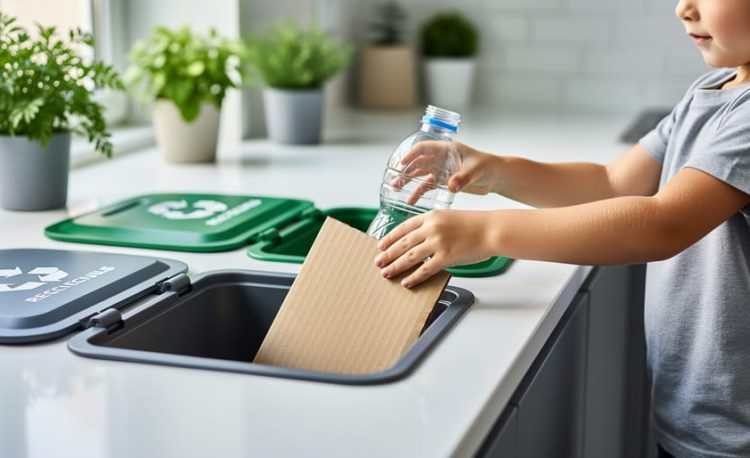
At home, set up your own recycling station. Ask your family to help you place separate bins or boxes in the kitchen for paper, plastic, and metal items. You can even decorate these bins with colorful labels showing what goes inside each one. After finishing a juice box or cereal, rinse it quickly and toss it in the right bin. This small action keeps recyclables clean and ready for the recycling center.
Before putting something in the trash, stop and ask yourself: Can this be recycled? Check for recycling symbols on packaging. Those little triangles with numbers tell you if an item can be recycled. If you’re not sure, ask an adult or look it up together.
At school, become a recycling helper. Volunteer to remind classmates which bin to use for their lunch containers and paper. You could make colorful posters showing what goes in the recycling bin versus the trash can. Some schools have special green teams that organize recycling projects, and you might join one or start your own.
Pack a waste-free lunch using reusable containers instead of plastic bags. Bring a refillable water bottle rather than buying drinks in disposable bottles. These choices mean less trash to throw away in the first place.
Make recycling fun by tracking how much your family recycles each week. You can also learn more Earth Day facts to share with friends and family, spreading environmental awareness while you build your recycling habits.
Every bottle, can, and piece of paper you recycle counts. You’re not just throwing things in a bin, you’re protecting forests, oceans, and animals.
Beyond Recycling: Reduce and Reuse
Reducing Waste
Reducing waste means making less trash in the first place! One of the easiest ways is switching to reusable water bottles instead of buying plastic bottles that get thrown away. You can pick a fun color or design you love and refill it all day long. Packing lunch in reusable containers instead of plastic bags also cuts down on waste, plus, they keep your food fresher!
Another simple swap is saying no to plastic straws. Many restaurants still offer them, but you can politely decline or bring your own reusable straw. When shopping with your family, look for products with less packaging. A big bag of apples creates less waste than individually wrapped ones. Ask yourself: does this really need all that plastic wrap?
Think about your school supplies too. That science reference binder from last year? You can probably reuse it instead of buying new. Refillable pens save money and reduce plastic waste. Every time you choose something reusable over something disposable, you’re creating less trash for our planet!
Reusing Items Creatively
When something seems old or broken, it might still have a second life waiting! Reusing items creatively is like being an inventor, you get to imagine new purposes for things instead of tossing them in the bin.
Glass jars from pasta sauce or jam make brilliant holders for pencils, crayons, and art supplies. You can even decorate them with paint or stickers to make them special. Empty cardboard boxes transform into castles, race cars, or puppet theaters with just scissors, tape, and your imagination. Egg cartons become perfect paint palettes or storage for small treasures like buttons and beads.
Have toys you’ve outgrown or clothes that no longer fit? Donating them to charity shops or younger friends means someone else gets to enjoy them, and nothing goes to waste. Old towels can become cleaning rags, and worn-out t-shirts make excellent dress-up costumes.
Before you throw something away, ask yourself: “Could this become something else?” You might surprise yourself with brilliant ideas!
Common Questions About Recycling
Kids often have lots of questions when they start recycling, and that’s great! Asking questions helps you become better at taking care of our planet. Here are answers to some questions children ask most often about recycling.
Can I recycle pizza boxes?
It depends! If the pizza box is clean and dry, you can recycle it. But if it has lots of cheese and grease stuck to it, those parts should go in the trash because the food makes the cardboard hard to recycle.
What about broken toys?
Most broken toys can’t go in your regular recycling bin because they’re made of mixed materials. Instead, see if you can fix them, donate them to a toy repair program, or ask an adult to find a special recycling center that accepts toys.
Why do we need to clean containers before recycling them?
Food and liquids left in containers can spoil other recyclable materials and attract bugs at the recycling center. A quick rinse with water is usually enough to get them clean.
What happens if I put the wrong thing in the recycling bin?
Don’t worry, everyone makes mistakes! Workers at recycling centers sort through items and remove things that don’t belong, but putting the wrong things in can slow down the process and sometimes damage recycling machines.
Remember that recycling is just one part of how Earth recycles and renews itself naturally. When you have questions about whether something can be recycled, it’s always smart to ask an adult or check your local recycling rules. Every community has slightly different guidelines about what they accept. The most important thing is that you’re trying to help, and the more you practice, the better you’ll get at knowing what goes where!
You’re an Environmental Hero!
Every time you recycle a bottle, separate your paper, or remind your family which bin to use, you’re making a real difference. You’re not too young to be an environmental hero, you’re exactly the right age to start! The choices you make today help protect forests where animals live, keep oceans cleaner for sea creatures, and reduce the amount of trash piling up on our planet.
Think about all the amazing things you’ve learned. You know what can be recycled, how the recycling process works, and why it matters so much. Now you can share this knowledge with your friends, siblings, and even adults who might not know as much as you do! When you teach someone else to recycle properly, you’ve just doubled your positive impact on the environment.
Here’s your environmental hero challenge: For the next week, pay attention to everything you throw away. Before tossing something, ask yourself these three questions: Can I recycle this? Can I reuse this for something else? Do I really need to throw this away? Keep count of how many items you save from the trash, and watch your hero score grow. Every item counts, and you’re already making Earth a better place!