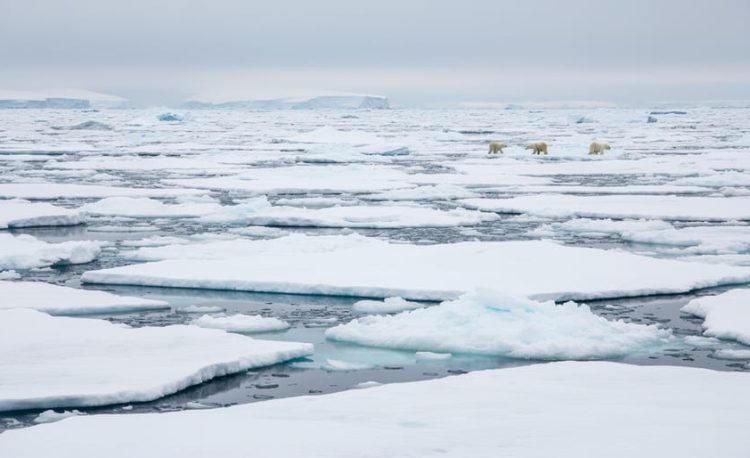
Climate change in the Arctic means the far north of our planet is warming faster than many other places, and that is changing the ice, the oceans, and…
Geography resource for kids
Geography resource for kids
Climate change in the Arctic means the far north of our planet is warming faster than many other places, and that is changing the ice, the oceans, and…
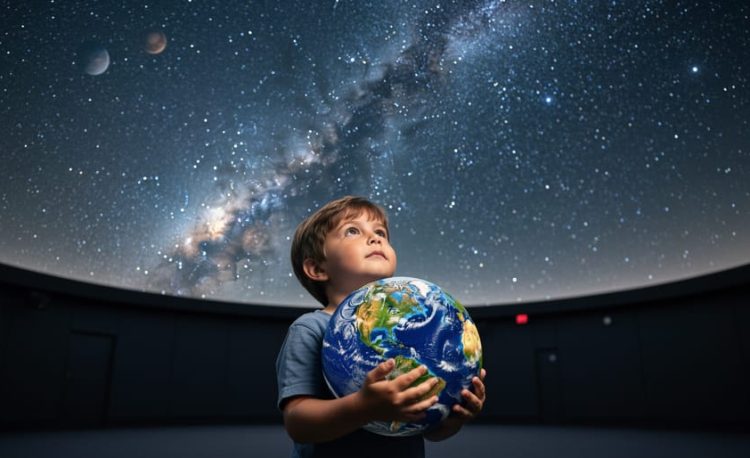
Yes, Earth is in space! Space is the huge, mostly empty area that stretches out in every direction beyond our planet, and Earth is floating right inside…
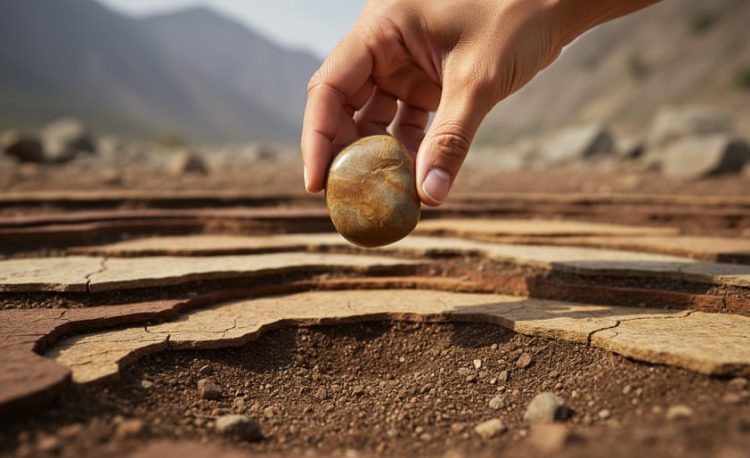
The Earth’s crust is the thin, rocky outer layer of our planet, and it’s full of surprises.
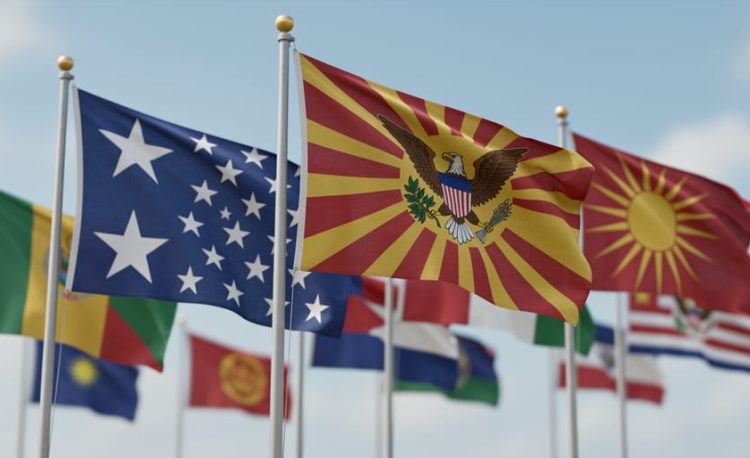
Almost every country in the world uses at least one symbol on its flag!
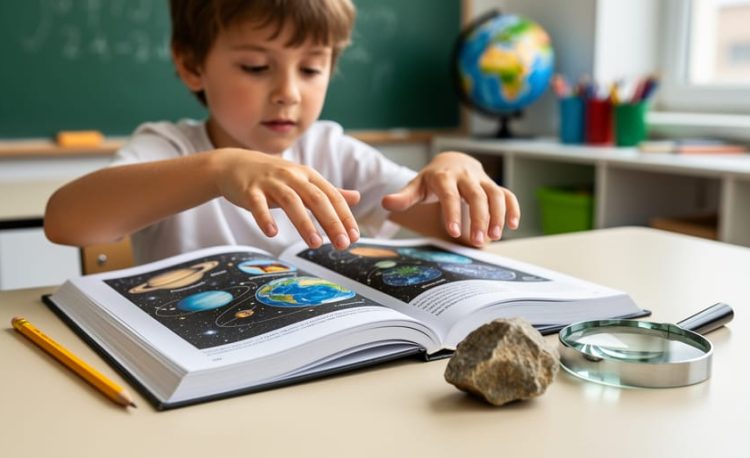
Earth and Space Science Reference Tables are collections of charts, diagrams, and data sheets that help students quickly find important information about rocks, minerals, weather patterns, planets, and Earth’s processes. Think of them as a science toolkit you can flip through whenever you need to identify a mystery rock, figure out which way the wind is blowing, or compare the sizes of different planets. These tables put tons of useful facts right at your fingertips, so you don’t have to memorize every single detail about Earth science.
Why do scientists and students use these tables? Because science is full of patterns and measurements that are easier to look up than to remember. When you’re examining a rock …
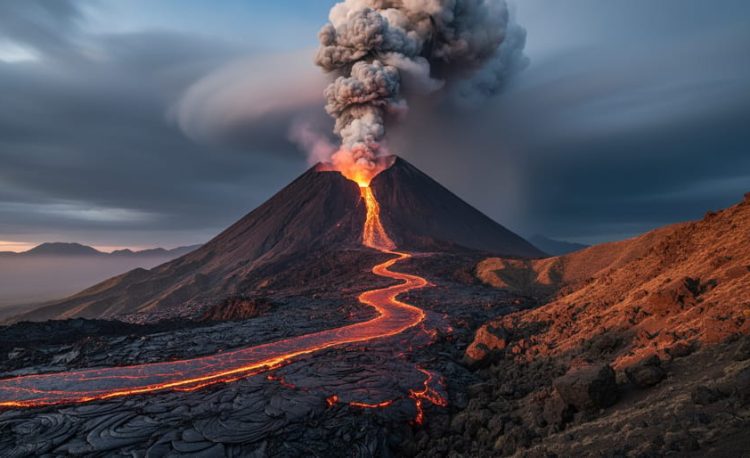
Volcanoes are some of the most powerful forces shaping Earth’s geography and they’re filled with surprises that go way beyond just erupting lava! From volcanoes tall enough to dwarf Mount Everest to ones that actually help grow your favorite foods, these incredible natural features are working all over our planet right now. Whether you’re working on a school project or just love learning about how Earth works, you’ll discover that volcanoes can build entire islands, make sounds heard thousands of miles away, and even exist on other planets. Ready to explore ten amazing volcano facts that might just surprise you?
…
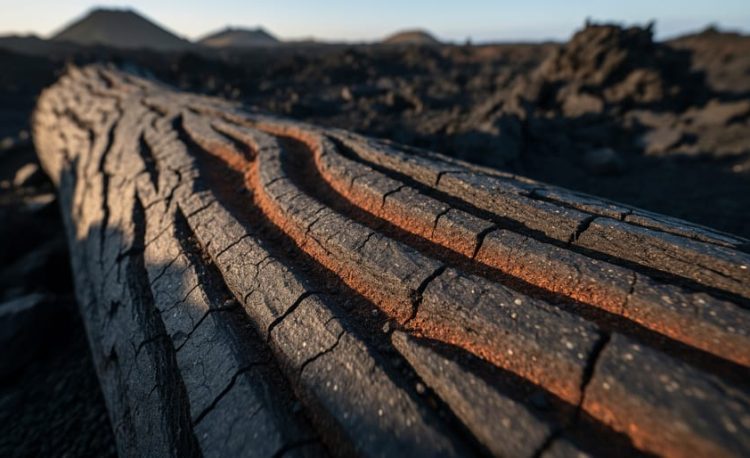
Lava fossils are imprints or molds left behind when molten lava flows over living things like trees, animals, or plants, preserving their shape in solid rock. Unlike regular fossils that form slowly over millions of years, lava fossils happen fast, capturing a moment in time when volcanic eruptions suddenly buried ancient life.
Have you ever made a handprint in wet sand or clay? Lava fossils work a bit like that, except the lava is incredibly hot and the “mold” it creates is permanent. When lava cools and hardens around an object, it can trap the exact shape and texture, creating a natural sculpture in stone.
These unusual fossils give scientists clues about what plants and animals lived near ancient volcanoes, …

The United Nations tackles climate change by bringing countries together to make agreements, track their progress, and share money and knowledge to protect our planet. Think of the UN as the world’s teamwork coach for climate action. Countries meet regularly at big conferences, report what they’re doing to reduce pollution, and help each other solve problems like rising temperatures and wild weather.
So how does this global teamwork actually happen? The UN runs annual climate conferences where leaders from nearly every country gather to make plans. In 2026, one of these important meetings will take place in Antalya, Turkey, where nations will share their climate stories and commitments. Countries like Canada show up …

Physical geographical features are the natural landforms and bodies of water shaped by Earth’s forces over millions of years, including mountains, rivers, valleys, oceans, and deserts. These features form the incredible landscape around us and influence everything from weather patterns to where people build their homes.
Have you ever wondered why some parts of the world have towering mountains while others are flat as a pancake? Or why certain rivers wind like snakes while mountains rise straight up? Understanding physical geography helps answer these questions and reveals the amazing story of how our planet works.
Every time you climb a hill, splash in a stream, or build a sandcastle at the beach, you’re …

Global warming and climate change aren’t the same thing, even though people often swap the terms. Global warming is the simpler idea: it means Earth’s surface is getting hotter, mostly because humans are burning coal, oil, and gas. Climate change is bigger. It includes that warming plus all the changes that happen because of it, like melting glaciers, stronger storms, and longer droughts.
Why does knowing the difference matter? Because when you understand what each word really means, you can talk about our planet more clearly. Scientists use “global warming” when they’re talking specifically about rising temperatures. Right now, Earth is about 1°C warmer than it was …